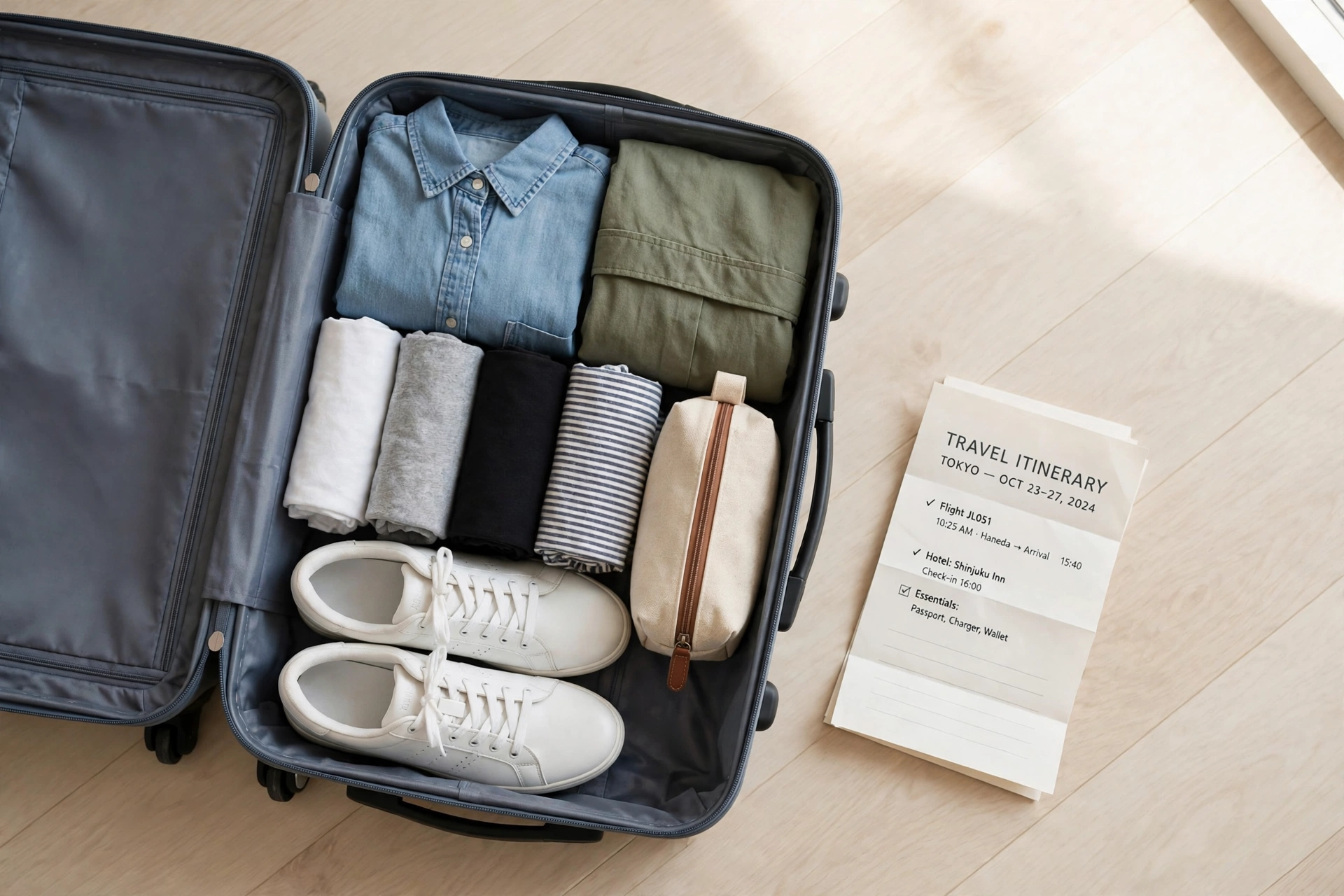
Every fall, the same question comes back: what should I actually wear? The answer does not need a whole new wardrobe. Five colors do most of the work every autumn — deep burgundy, olive green, mustard yellow, rust orange and navy blue — and this guide shows how to wear each one, what to pair it with, and how to build outfits from pieces you may already own.
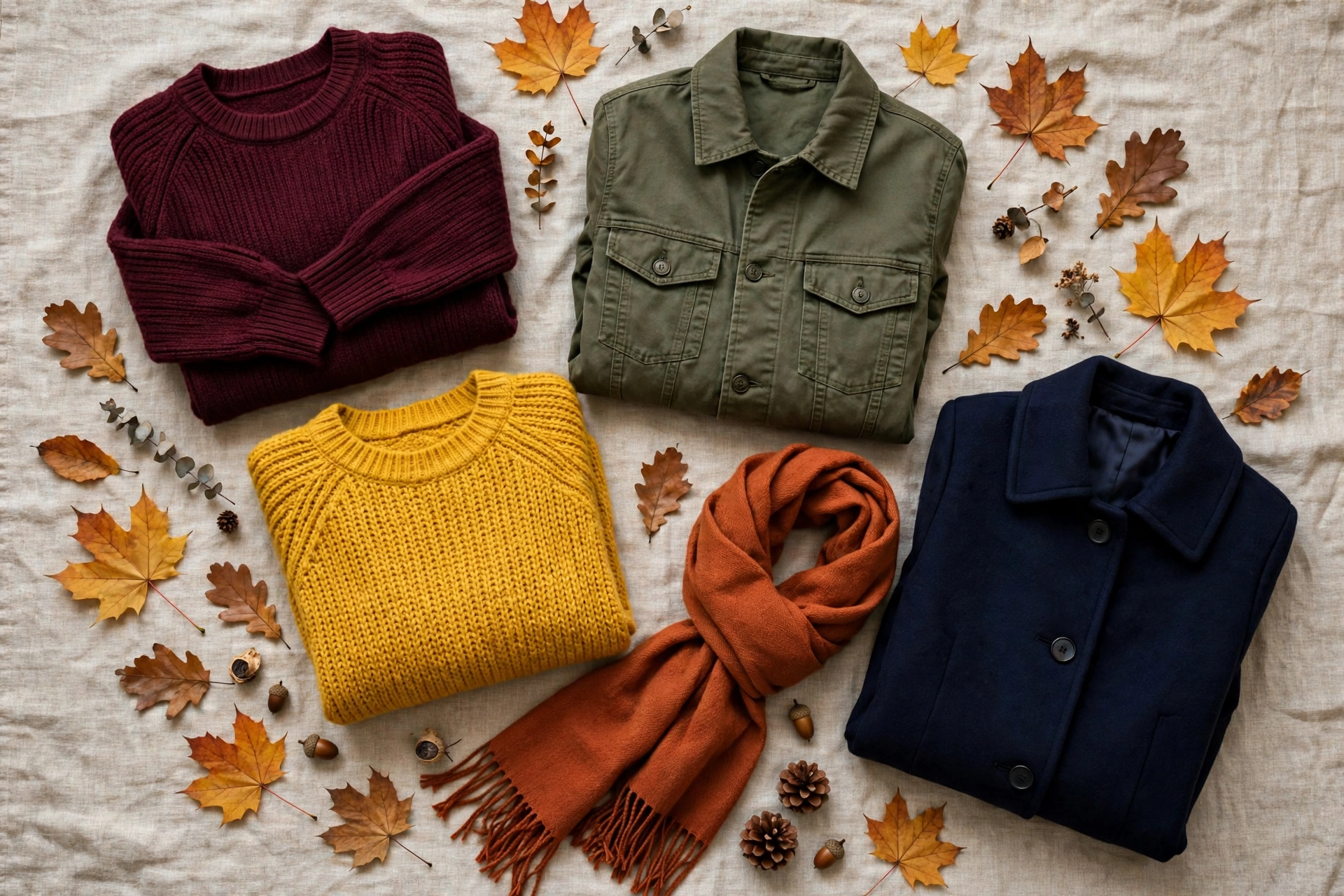
The colors below are chosen because they suit the season, not because of any single year’s runway. They work with autumn light, with heavier fabrics like wool and denim, and with each other, which means a small number of pieces can make many outfits.
1. Deep Burgundy: Warmth With Sophistication
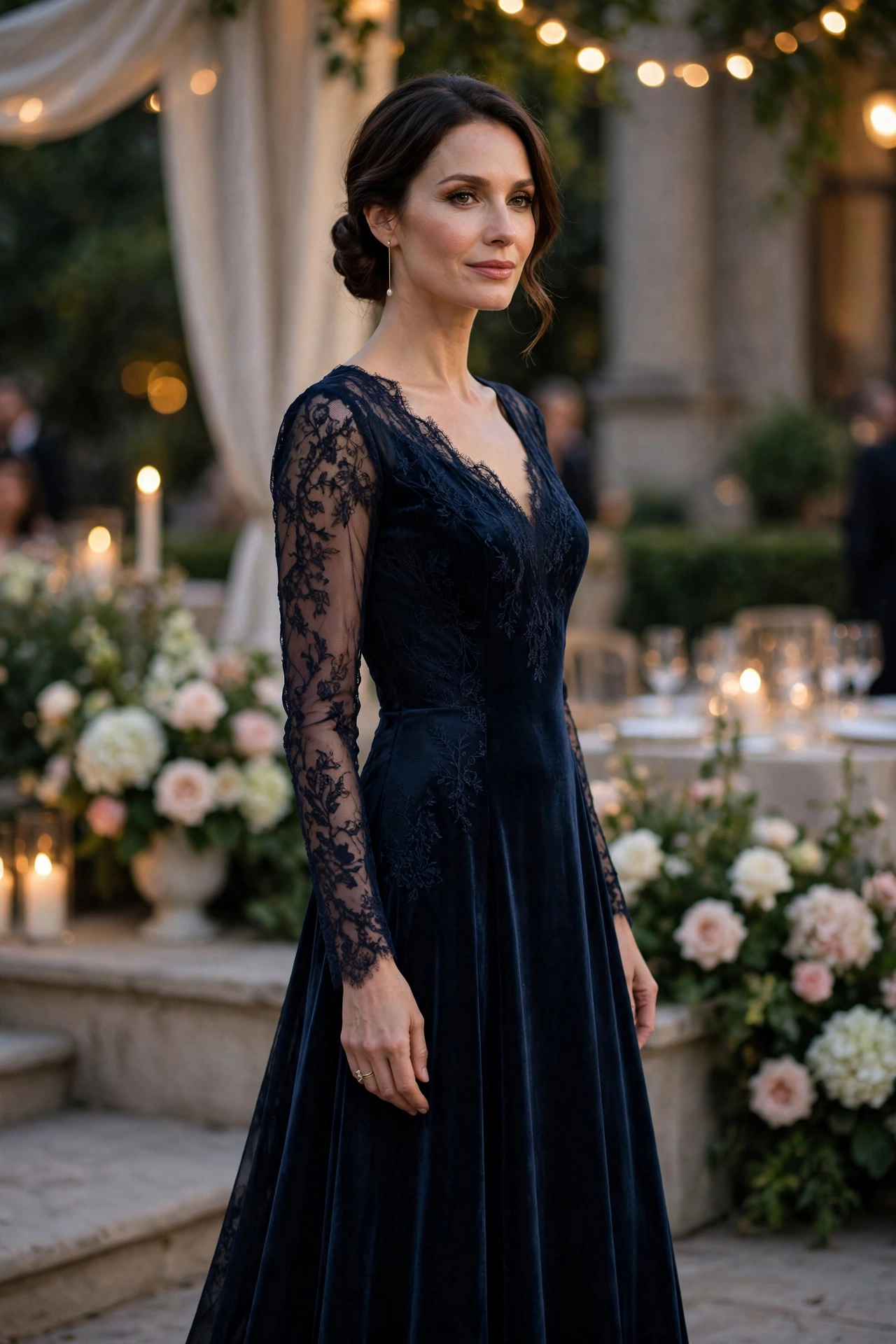
Burgundy is a rich, wine-inspired red that reads as warm and polished without shouting. It is one of the easiest fall colors to wear because it flatters most skin tones and sits comfortably next to neutrals.
Start with one burgundy piece: a knit sweater, a scarf or a statement coat. Pair it with black, grey, camel or navy for a calm, put-together look, or wear burgundy trousers with a cream knit for a softer daytime outfit. Avoid pairing it with bright red, which competes rather than complements. A single burgundy item per outfit is usually enough — let it be the color that does the talking.
2. Olive Green: The Versatile Earth Tone
Olive green is the workhorse of the fall wardrobe. It is earthy and understated, it goes with almost everything, and it bridges casual and smart outfits better than almost any other color.
A utility jacket is the classic olive piece, but olive trousers, a knit or a scarf all earn their place. It pairs naturally with other earth tones — brown, tan, cream — and with navy and black for a more structured look. Olive also makes a good base for pattern: try it with a subtle check or a striped layer underneath. If you buy only one new fall piece, an olive jacket is a strong candidate.
3. Mustard Yellow: A Controlled Pop of Colour
Mustard yellow is the boldest color on this list, and that is exactly its job. Used in small doses, it lifts an otherwise muted fall outfit and adds warmth on grey days. Used all over, it can overwhelm.
The safest route is one mustard item: a cosy sweater, a knit hat, a scarf or a pair of trousers, worn with navy, brown, charcoal or olive. A mustard knit under a navy coat is a classic combination, and a mustard scarf can rescue a plain black or grey outfit. Keep the rest of the outfit quiet and let the mustard do one job well.
4. Rust Orange: Autumn in a Colour
Rust orange is the color of autumn leaves, and it brings that same warmth to an outfit. It is deeper and easier to wear than bright orange, and it works especially well in knitwear and accessories.
Try a chunky rust sweater with cream or olive trousers, a rust midi skirt with a cream knit, or a rust scarf over a chocolate-brown coat. Rust pairs beautifully with cream, olive green and chocolate brown, and it also works as an accent against navy. Like mustard, it is best as one statement piece per outfit rather than head to toe.
5. Navy Blue: The Reliable Base
Navy blue never really leaves the wardrobe, and fall is where it earns its keep. It is softer than black, it pairs with every other color on this list, and it works as a base for almost any outfit.
Use navy for the pieces that anchor your outfits: a blazer, a coat, trousers or boots. A navy blazer over a burgundy knit, navy trousers with a mustard sweater, or a navy coat over rust and olive layers all work because navy recedes and lets the other color shine. If your wardrobe leans heavily on black, try swapping in navy for fall — the result is usually warmer and less severe.
How to Mix the Five Colours Together
The real value of these five colors is that they combine. A simple formula helps: one base color (navy or olive), one warm accent (burgundy, mustard or rust), and one neutral (black, grey, cream or camel) to settle the outfit. Burgundy with navy and grey, olive with rust and cream, navy with mustard and charcoal — all of these are easy, wearable combinations.
For a capsule approach, pick three or four pieces in these colors that you will genuinely wear weekly — for example, a burgundy sweater, an olive jacket, a navy coat and a rust scarf — and build the rest of the outfit from neutrals you already own. That keeps shopping focused and outfits varied without a full wardrobe overhaul. For a broader view of how fashion trends move from season to season, see our guide on how to stay ahead in the ever-evolving fashion world.
Common Mistakes to Avoid
First, wearing all five colors at once. The palette works because the colors support each other, not because they all appear together. Second, matching everything exactly — a burgundy sweater, burgundy trousers and burgundy shoes reads as a costume, not an outfit. Third, ignoring fabric: these colors look best in autumn textures like wool, corduroy, denim and leather, and can look flat in thin summer fabrics.
Finally, do not buy a color just because it is listed here. If mustard yellow never suits you, skip it and lean on burgundy and rust instead. The palette is a starting point, not a rulebook.
Frequently Asked Questions
Do these colors suit every skin tone? No single color suits everyone equally, but this palette is forgiving: burgundy and navy work broadly, while olive, mustard and rust can be adjusted by choosing lighter or deeper shades and by wearing your strongest color near your face or as an accessory.
Can I wear these colors outside fall? Yes, with lighter fabrics. Navy and olive work year-round, while burgundy and rust also suit winter. Mustard tends to feel most at home in autumn, but a mustard accessory works in spring too.
What if I already own mostly black and grey? That is a good starting point. Add one or two colors from this list — a burgundy knit or an olive jacket — and your existing neutrals will immediately give you more outfit options.
Final Thoughts
A good fall wardrobe is not about owning more; it is about owning colors that work together. Deep burgundy, olive green, mustard yellow, rust orange and navy blue cover warmth, versatility, boldness and reliability between them. Start with the one or two you will actually wear, pair them with neutrals you already own, and let the season do the rest. If you are building an outfit for a specific event, our guide to celebrity-inspired appropriate looks for every occasion shows how to match the level of dress to the occasion.