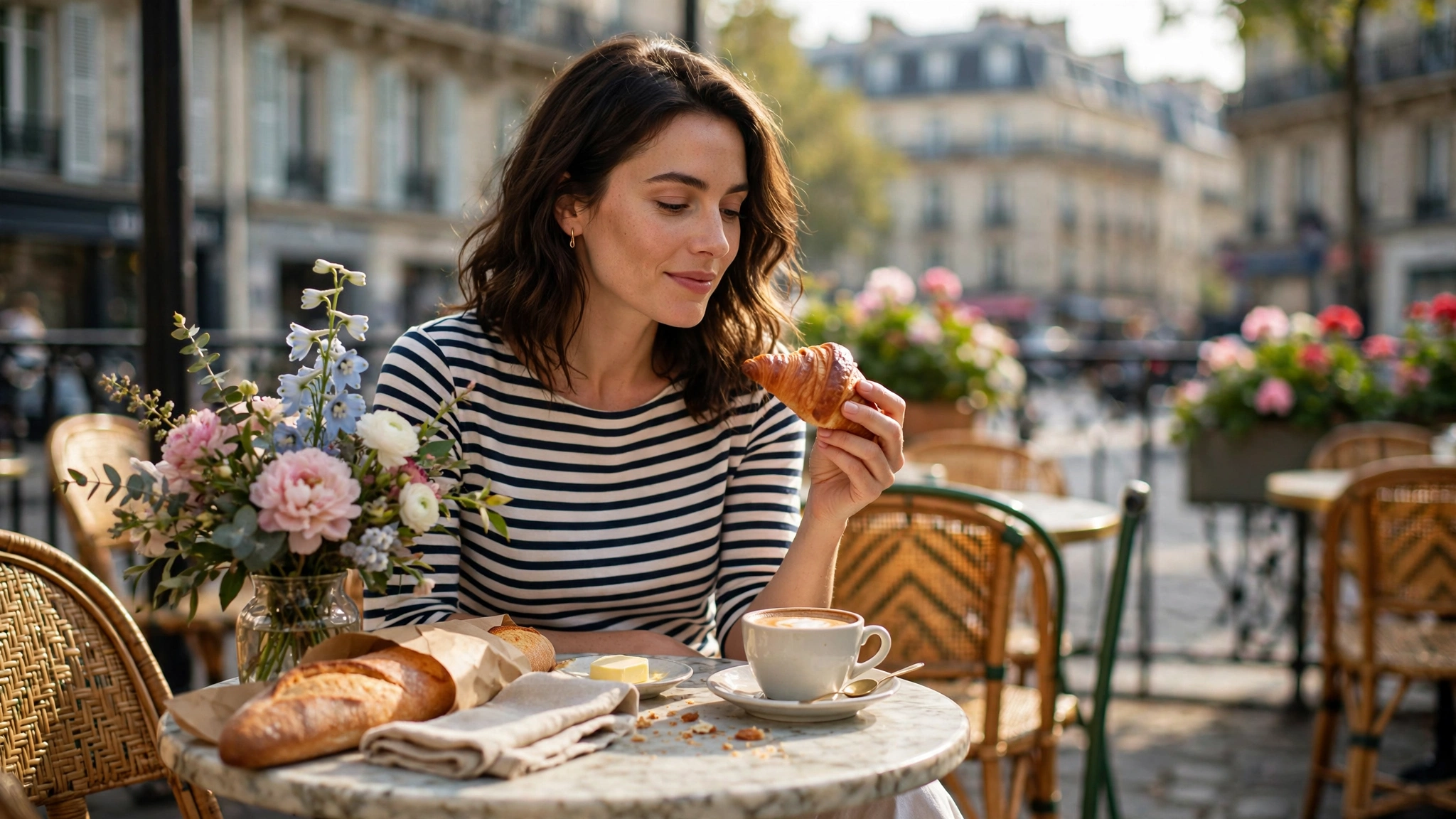
Picture a sunlit Parisian terrace at noon. A woman lingers over a simple lunch — a bowl of soup, a wedge of cheese, a slice of good bread — and she looks entirely unhurried. No phone glowing beside the plate, no rushed bites between errands, no apology for the bread basket. The scene is not about willpower. It is about a set of everyday habits that make balanced eating feel natural rather than forced.
The French way of life is often admired for exactly this: enjoying good food, keeping a balanced routine, and staying slim without cycling through strict diets. The habits below are not medical advice — they are cultural patterns you can borrow, one at a time, and adapt to your own kitchen.
1. Choose Smaller Portions of Better Food
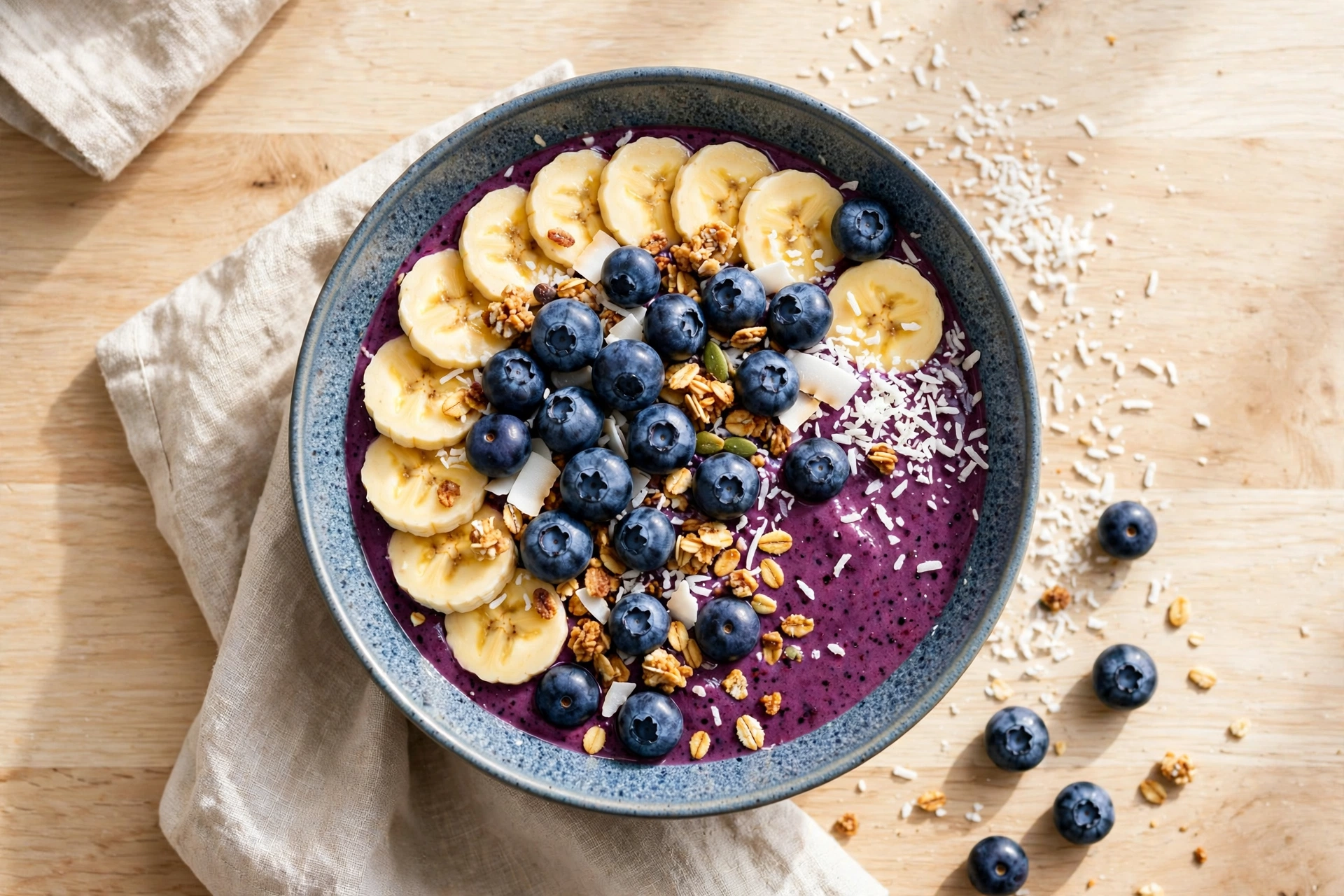
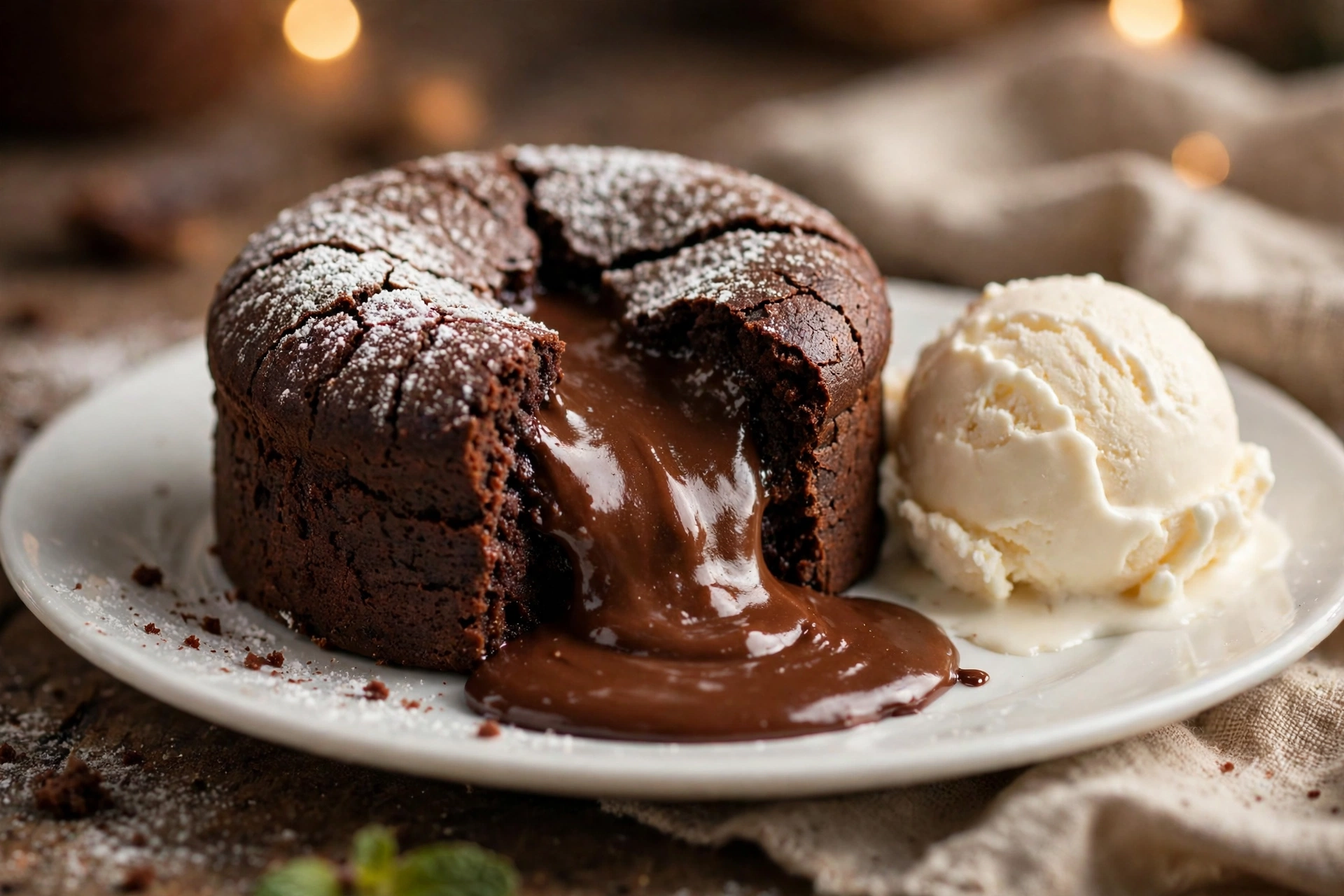
French cooking is built on quality over quantity. Restaurant servings and home plates alike tend to be modest, but the ingredients are chosen with care — a ripe tomato, real butter, chocolate with a high cocoa content. When food tastes genuinely good, a smaller amount satisfies. Try this at home: buy the best version of fewer ingredients, plate your meal, and put the serving dishes away before you sit down.
2. Walk as Part of the Day, Not as a Workout
In many French cities, walking is simply how people get around — to work, to the market, to meet a friend. These daily strolls add up without anyone calling it exercise. You do not need to copy Parisian geography to copy the principle: choose the longer walking route, run a small errand on foot, or take an evening stroll after dinner as a ritual rather than a chore.
3. Sit Down for Real Meals
Eating on the move is rare in French culture. Meals happen at a table, ideally with other people, and lunch is treated as a genuine pause in the day rather than fuel grabbed between tasks. Sitting down changes how you eat: you notice flavours, you notice fullness, and the meal has a beginning and an end. Even twenty unhurried minutes count.
4. Skip the Constant Snacking
Where many food cultures now include near-constant grazing, the French pattern is usually three structured meals a day, with the well-known exception of the children’s afternoon goûter. Fewer eating occasions mean appetite arrives honestly at mealtimes and disappears between them. If you currently snack out of habit rather than hunger, try protecting a few snack-free hours and see how your appetite behaves.
5. Cook with Seasonal, Whole Ingredients
Market shopping is still a living tradition in France: fruits and vegetables bought in season, fish and poultry from trusted sellers, bread from the bakery. Seasonal produce simply tastes better, which makes simple cooking satisfying without heavy sauces or elaborate recipes. You do not need a French market — just start noticing what is in season where you live and build a few meals around it.
6. Savour Slowly and Pay Attention
Meals in France are savoured at a deliberate pace, and conversation is part of the course structure. Eating slowly gives your body time to register fullness, which is one of the most practical appetite tools there is — no gadgets required. Put the phone away, chew properly, and actually taste the first three bites of everything on your plate.
7. Balance Across the Day, Not Every Plate
The French rarely obsess over the nutritional profile of a single meal. A rich lunch might be followed by a light dinner of soup and salad; an indulgent weekend is followed by simpler weekday cooking. This rhythm — pleasure balanced by lightness over days, not hours — is far easier to sustain than rigid daily rules. Think in terms of the week, not the plate.
8. Protect Leisure Like It Matters
The French treat time off as a genuine part of life: long holidays, unhurried evenings, weekends kept for family and friends. Lower chronic stress supports better sleep and steadier appetite, and a life with real pleasures in it leaves less room for comfort eating. Guard one evening a week — no work, no chores — and spend it on something you actually enjoy.
If you want to see this food culture in its natural setting, our guide to the top places to visit in Provence France shows where market towns, lavender routes and vineyard villages make eating well feel almost effortless.
Final Thoughts
None of these eight habits requires a special product, a strict plan or a perfect kitchen. Pick the one that feels easiest — walking after dinner, sitting down for lunch, putting the snacks back in the cupboard — and let it settle before adding another. The French secret, if there is one, is that a good life and a healthy weight are pursued together, at the table, one unhurried meal at a time.