
You are sitting on the edge of a dive boat as the Queensland sun burns through the last of the morning haze. Below, the water shifts from turquoise to deep blue, and a green sea turtle glides past without a care in the world. That moment is why you came to the Great Barrier Reef — but first you must make one decision that shapes your whole trip: which town to base yourself in.
The reef stretches more than 2,300 kilometers along Australia’s northeast coast, and no single town gives you the same experience. This guide compares the four main gateways honestly, so you can pick the one that fits your travel style and budget.
The Short Answer
There is no one “best” gateway for everyone, but there is a best one for you. Cairns is the best all-rounder for first-time visitors, with the widest choice of reef tours at every price level. Port Douglas suits travelers who want a quieter, more polished base with fast access to the outer reef. Airlie Beach and the Whitsunday Islands are best for sailing, island-hopping and scenic flights. Townsville is the pick for serious divers and travelers who prefer fewer crowds.
Cairns: Best for First-Time Visitors
Cairns is the reef’s main hub and the easiest gateway to reach, with direct domestic flights from Sydney, Melbourne and Brisbane. Because so many operators run from here, you get the widest choice: budget snorkel trips, family-friendly outer-reef pontoons, introductory scuba dives for non-certified divers, and multi-day liveaboards.
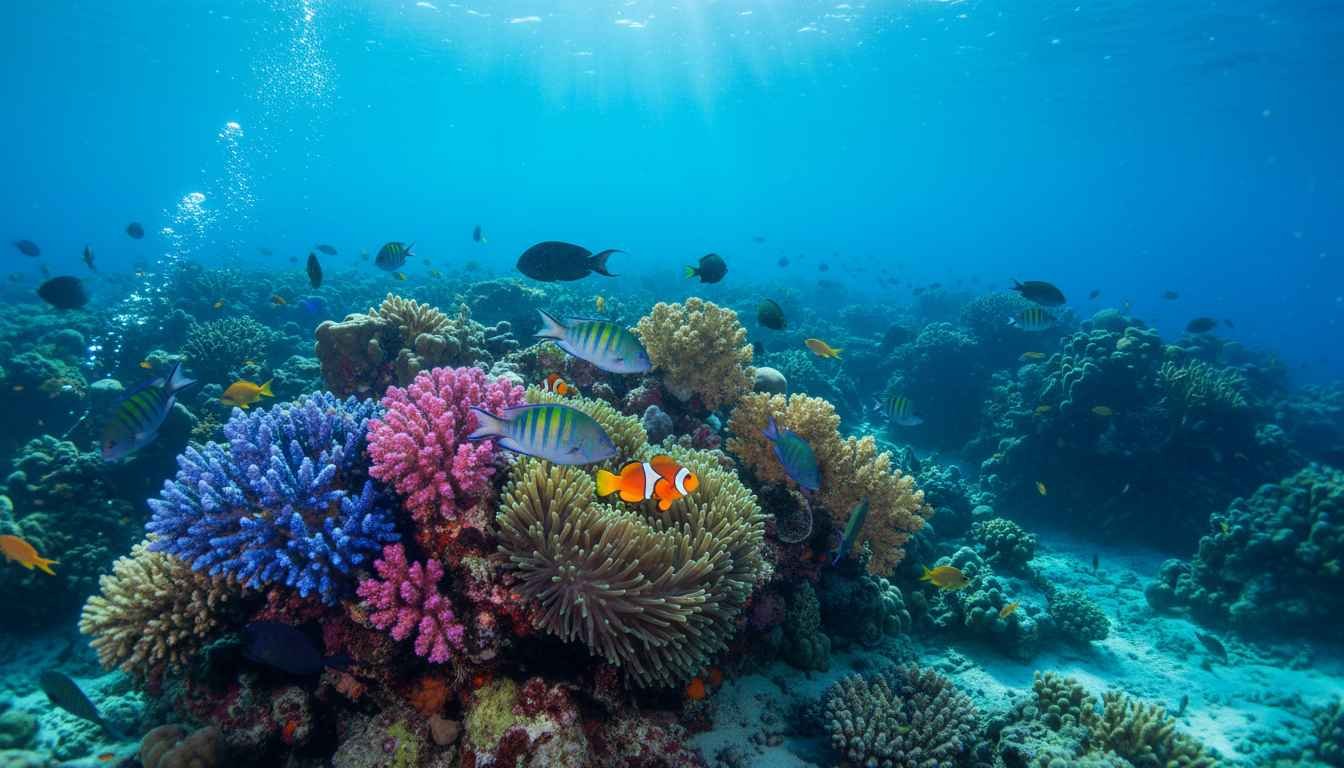
Inner-reef cays like Green Island and Fitzroy Island sit a short ferry ride offshore and suit nervous swimmers, while outer-reef day boats reach deeper coral gardens with better visibility. Accommodation spans hostels to waterfront resorts, and Cairns doubles as a base for the Daintree Rainforest, so you can pair reef and rainforest in one trip.
Port Douglas: Best for a Relaxed, Upmarket Base
Roughly an hour’s drive north of Cairns, Port Douglas is a small resort town with a slower rhythm: palm-lined streets, Four Mile Beach, no tour buses. It is the closest mainland departure point to the Agincourt Ribbon Reefs, a chain of outer-reef sites known for coral quality and water clarity. Tours run on smaller boats with lower passenger numbers — at higher prices than Cairns.
Airlie Beach and the Whitsunday Islands: Best for Sailing and Scenic Flights
Airlie Beach is the mainland launch point for the Whitsundays, a chain of 74 islands scattered across famously blue water. If your dream reef trip involves a yacht rather than a day boat, this is your base: crewed sailing trips and multi-day sailing adventures depart from here, usually combining sailing with snorkeling stops at fringing reefs.
The Whitsundays are also home to Whitehaven Beach and to Heart Reef, a naturally heart-shaped coral formation best appreciated from the air. Scenic helicopter and seaplane flights are a signature experience here — the one place where the reef is arguably better seen from above than below.
Townsville: Best for Divers and Fewer Crowds
Townsville is a working coastal city rather than a resort town, which means fewer tourists, lower prices and a more local feel. It is the gateway to Magnetic Island, a short ferry ride away, where you can combine reef snorkeling with koala-spotting on land.
For certified divers, Townsville has a genuine trump card: the wreck of the SS Yongala, which sank in 1911 and is now one of Australia’s most celebrated dive sites, encrusted in coral and surrounded by marine life. It is an advanced open-water dive, so it suits experienced divers rather than beginners.
How You Actually Get Out to the Reef
Day tours are the most popular: fast catamarans run to outer-reef pontoons or moorings where you snorkel, dive or ride in a glass-bottom boat. Inner-reef island trips suit beginners and families, with calmer, shallower water. Liveaboards spend two or more nights on the reef and suit certified divers who want remote sites and dawn dives. Scenic flights by helicopter or seaplane give you the aerial view of coral formations you cannot get from the water. If you dive, allow at least 12 hours — ideally a full 24 — between your last dive and flying home.
Best Time to Visit
The dry season, roughly May to October, brings the calmest seas and clearest water, which is why these months are the most popular for reef trips. November to May is warmer and wetter, and it is also stinger season, when box jellyfish and Irukandji may be present in coastal waters. Reef tours run year-round, and reputable operators provide full-body stinger suits that protect you in the water. On mainland beaches in these months, swim within patrolled areas and stinger nets.
Getting There and Practical Tips
Most international visitors fly into Sydney or Brisbane, then take a domestic flight north to Cairns, the Whitsunday Coast, or Townsville. If Sydney is your entry point, spend a day or two there first; our guide to the top places to visit in Sydney helps you plan that stopover.
- Book ahead in peak season. June through August and school holidays sell out the best boats and time slots.
- Protect the reef. Choose a reef-safe sunscreen, never stand on or touch coral, and keep good buoyancy while snorkeling or diving.
- Take seasickness seriously. The ride to the outer reef can take over an hour in open water. Sit midship, keep your eyes on the horizon, and tell the crew early if you feel unwell.
- Pack light. You will move between flights, hotels and day boats, so one manageable bag beats a pile of luggage. See how to pack light for a two-week trip for the essentials.
FAQs
Do I need to be a certified diver to visit the Great Barrier Reef?
No. Snorkeling is how most visitors experience the reef, and it needs no certification; tours provide masks, fins, flotation aids and a safety briefing. Many operators also offer introductory scuba dives, where an instructor takes you down after basic training in shallow water.
Which gateway is closest to the best coral?
The outer reef generally has healthier coral and clearer water than the inner reef, and Port Douglas departures reach the outer Agincourt Ribbon Reefs fastest. Conditions vary by site and season, so ask your operator which locations they are visiting that week and why.
How many days should I allow for the reef?
At least two full days: one for your main snorkel or dive day, and one as a buffer in case rough weather cancels departures. Three to four days works well if you also want to sail, take a scenic flight or explore the rainforest.
Is it safe to swim at the Great Barrier Reef?
Yes — on organized tours it is a well-managed activity with safety briefings, lookouts and flotation gear. In stinger season (November to May), wear the stinger suit your operator provides and stay within the designated snorkel area.
Final Thoughts
The best place to go to visit the Great Barrier Reef is the one that matches how you travel: Cairns for maximum choice and easy logistics, Port Douglas for quiet comfort and the fastest run to the outer reef, Airlie Beach for sails and island views, Townsville for serious diving and smaller crowds. Pick your base, book the right boat for your comfort level, and give the reef the unhurried days it deserves.