Summer in northern Italy asks you to make one happy choice: lake, mountain, or city — because this one region does all three brilliantly, and trying to do all three in a single weekend is how good trips become tiring ones. Picture it instead as three different summers sharing a border. On the lakes, ferries glide between villa towns and the water is warm enough to swim in. In the Alps, trails lead to high meadows and rifugios serving lunch with a view. In the cities, evenings stretch over aperitivo in a piazza after the heat of the day. Choose the version that fits your travelling style, and northern Italy will not disappoint.
Choosing Between the Lakes, the Alps, and the Cities
If you want relaxation with scenery, base yourself at a lake. If you want active days, head for the Dolomites or the Italian Alps. If you want art, food, and nightlife, pick Milan, Verona, or Turin and add a lake or mountain day trip. Trains connect the main cities and many lake towns, while a car helps in the mountains and the smaller lake villages. July and August are the busiest months — book lake hotels and popular restaurants early, and plan city sightseeing for the morning or late afternoon when the heat eases.
The Italian Lakes: Como, Garda, and Maggiore
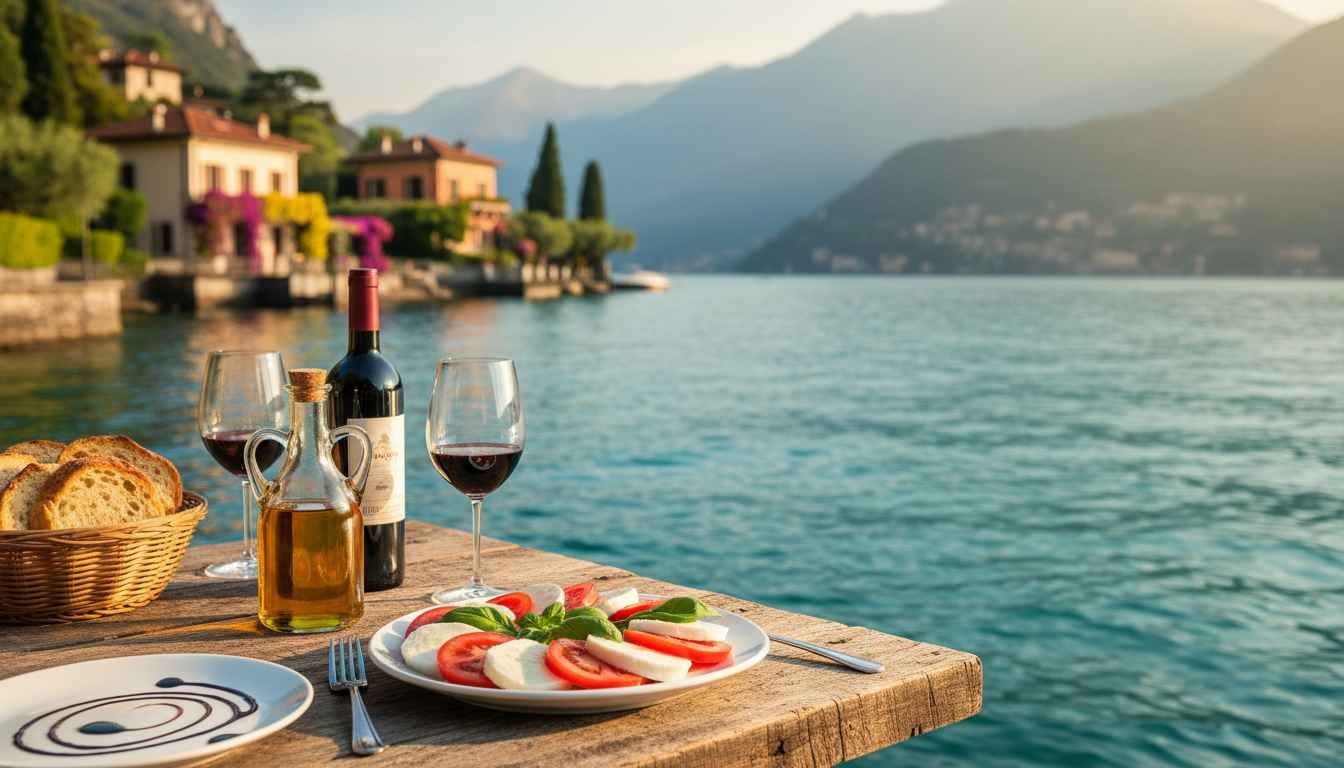
Lake Como is the most glamorous of the three: steep, green shores, elegant villas, and ferry routes linking towns like Bellagio, Varenna, and Menaggio. It suits slow days — a ferry ride, a lakeside lunch, a garden visit — rather than a packed itinerary. Lake Garda, Italy’s largest lake, is the most varied: the southern shore is gentle and family-friendly, with beaches and cycle paths, while the northern end narrows between mountains and suits windsurfing and hiking. Lake Maggiore is quieter than both, with island gardens — the Borromean Islands, reached by boat from Stresa — that make an easy, memorable day out. If you only have time for one lake, pick by temperament: Como for elegance, Garda for activity, Maggiore for calm.
Alpine Adventures: The Dolomites and the Italian Alps
In summer the mountains swap skis for hiking boots. The Dolomites, a dramatic range in the north-east known for its pale, jagged peaks, offer everything from gentle valley walks to demanding multi-day hut-to-hut routes, with cable cars lifting walkers to high meadows. Elsewhere in the Italian Alps, trails around the lakes and valleys suit cyclists as well as walkers, and mountain villages make good bases for a few days of day hikes. Pack proper footwear, check weather and lift times before setting out, and remember that mountain weather can change fast even on a warm valley day.
Historic Cities: Milan, Verona, and Turin
Milan is northern Italy’s modern, fashion-forward capital, but it also holds serious history: the Duomo, the Galleria, and Leonardo da Vinci’s Last Supper (book well ahead — it is one of Italy’s most sought-after sights). Verona, the setting of Shakespeare’s Romeo and Juliet, pairs a Roman amphitheatre that still hosts summer opera with a compact, walkable old town. Turin, often overlooked, offers grand arcaded streets, museums, and some of Italy’s best chocolate and aperitivo culture. For a broader sense of what Italy offers beyond the north, our guide to the most popular places to visit in Italy is a useful next read when you start planning a longer trip.
Food, and Planning Tips
Northern Italian food changes with the landscape: lake fish and olive oil around Garda, mountain cheeses and hearty polenta dishes in the Alps, risotto in Lombardy and Piedmont, and fresh pasta and aperitivo culture in the cities. Practical tips: use ferries as transport on the lakes (they are scenic and often faster than driving around the shore), carry cash for small mountain rifugios, and keep one rest day in a longer trip — northern Italy is best enjoyed slowly, and a lakeside afternoon with nowhere to be is often the day people remember most.
FAQ: Best Places to Visit in Northern Italy in Summer
Which lake is best in northern Italy in summer?
Como for scenery and elegance, Garda for families and water sports, Maggiore for a quieter stay. All three are warm enough for swimming in high summer, and ferries make each one easy to explore without a car.
Is northern Italy good for hiking in summer?
Yes — the Dolomites and the Italian Alps are at their best from late spring to early autumn, with waymarked trails for every level. Check lift and rifugio opening dates, as some high routes open later than valley trails.
How many days do you need for northern Italy?
A week allows one lake plus one city, or a few days in the mountains plus a city. Two weeks lets you combine all three without rushing.
Final Thoughts
The best places to visit in northern Italy in summer are the ones that let you travel at the pace the landscape suggests: slowly on a lake ferry, steadily on a mountain trail, and lingeringly over dinner in a piazza. Pick your base, leave room for the unplanned afternoon, and northern Italy will give you a summer worth repeating.