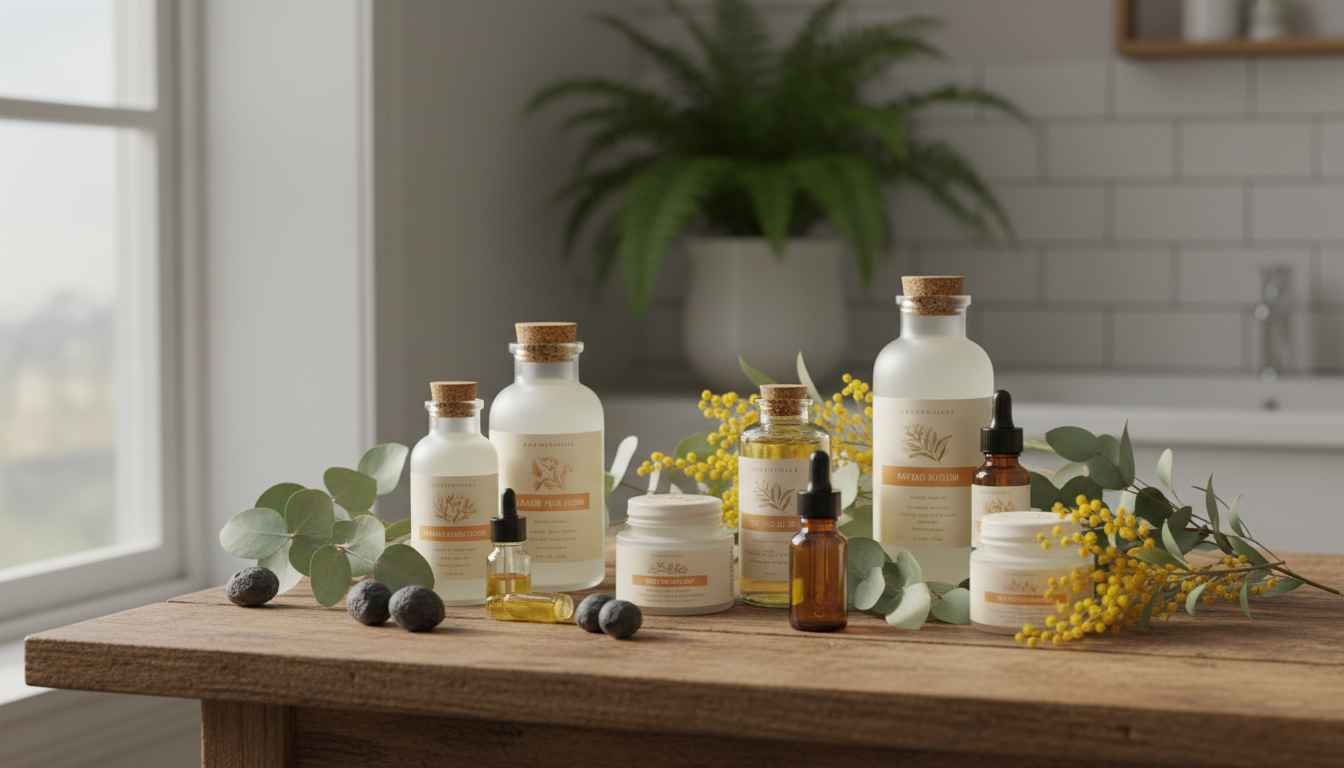
Picture your bathroom shelf on a tired morning: a dozen bottles promising miracles, most of them saying very little about what is actually inside. If you have ever wondered whether the plants Australia is famous for — Kakadu plum, tea tree, quandong — are worth the attention, you are asking the right question. Natural Australian skincare is not magic, and it is not automatically better because it comes from a striking landscape. It is a small set of genuinely interesting native botanicals, each with real strengths and real limits, and this guide will help you judge them for yourself.
What “Natural Australian Skincare” Actually Means
The phrase usually means products built around plants native to Australia, often marketed as clean, sustainable, or botanically powered. Two cautions belong up front. First, “natural” is a marketing word, not a regulated guarantee — a product can carry the label while still containing synthetic preservatives, fragrances, or fillers, so the ingredient list matters more than the front of the bottle. Second, many of these plants have been used for generations by Aboriginal and Torres Strait Islander peoples, long before they appeared in serums. Buying from brands that acknowledge that heritage and source respectfully is a reasonable part of choosing well, not just a nice extra.
Kakadu Plum: The Vitamin C Standout
Kakadu plum, a small green fruit from northern Australia, is reported to be among the richest natural sources of vitamin C in the world. That matters because vitamin C is an antioxidant: it helps defend skin against the daily wear of sunlight and pollution, and it supports a brighter, more even-looking complexion. In practice, Kakadu plum shows up in serums and brightening creams. It suits most skin types, but vitamin C in any form can sting on very sensitive or freshly exfoliated skin, so start with a lower-strength product and use it a few times a week before going daily.
Tea Tree Oil: Useful, But Respect Its Strength
Tea tree oil is the best-known Australian skincare ingredient, and for good reason: it has antibacterial and anti-inflammatory properties that make it genuinely useful for spot-prone skin. The mistake people make is using it neat. Undiluted tea tree oil can irritate, dry out, or trigger an allergic reaction, especially on sensitive skin. Look for it already diluted in a cleanser or spot treatment, or dilute a single drop in a carrier oil — and always patch-test on your jawline first. If your skin is dry or reactive, tea tree may simply not be your ingredient, and that is fine.
Bush Tomato, Quandong, and Finger Lime
Beyond the two headliners, three more native ingredients are worth knowing. Bush tomato, also called desert raisin, is rich in antioxidants and fatty acids and is typically used for nourishment and softness, often around the eyes where skin is thin. Quandong, the so-called desert peach, is valued for hydration: it is used in moisturisers and masks aimed at dry, tight-feeling skin. Finger lime, nicknamed caviar lime for its tiny juice pearls, is a gentle chemical exfoliant thanks to its natural fruit acids — it helps lift dull surface cells and brighten tone, but overuse can leave skin raw, so once or twice a week is plenty.
Choosing by Your Skin Type
Match the ingredient to the job, not the trend. Oily or breakout-prone skin tends to do best with tea tree in a diluted cleanser and a light Kakadu plum serum. Dry skin usually responds better to quandong and bush tomato in richer creams, with finger lime used sparingly for brightness. Combination skin can mix: a hydrating product overall, with a targeted treatment only where breakouts appear. Sensitive skin should favour the gentlest options, fragrance-free formulas, and short ingredient lists — and should patch-test every new product, Australian botanical or not.
How to Read the Label Before You Buy
A good label tells you three things: which botanical is actually in the product, where it sits in the ingredient list (near the top means a meaningful amount; near the end means a token presence), and what else is in the bottle. Watch for drying alcohols high on the list, added fragrance if you are sensitive, and claims that sound medical — no cream “repairs DNA” or “reverses ageing.” If you are shopping online, it helps to know how to judge a beauty retailer before you buy, from checking returns policies to comparing prices instead of trusting a flash sale.
Patch Testing and Safety Basics
Natural does not mean risk-free — poison ivy is natural too. Dab a small amount on your inner arm or jawline, wait 24 hours, and watch for redness, itching, or swelling before using a product on your whole face. Stop using anything that stings persistently or causes a rash, and see a dermatologist if irritation lingers. Sunscreen still matters: vitamin C and exfoliating acids can make skin more sun-sensitive, so a morning SPF is part of the routine, not an optional extra.
Frequently Asked Questions
Is natural Australian skincare better than ordinary skincare?
Not automatically. Some native botanicals are genuinely useful, but a well-formulated ordinary product beats a poorly formulated “natural” one every time. Judge the ingredient list, not the story on the label.
Can I use Kakadu plum and tea tree oil together?
Yes, in most routines — a vitamin C serum in the morning and a diluted tea tree spot treatment at night is a common pairing. If your skin feels irritated, drop back to one active at a time until it settles.
Are these ingredients safe during pregnancy?
Most topical botanical products are considered low-risk, but essential oils deserve extra caution in pregnancy. Ask your doctor or pharmacist about any product you are unsure of rather than guessing.
Final Thoughts
Natural Australian skincare earns its reputation honestly — Kakadu plum for brightness, tea tree for blemish-prone skin, quandong and bush tomato for comfort, finger lime for gentle exfoliation — but only when you choose by ingredient, patch-test, and ignore the hype. Start with one product, give it a few weeks, and let your skin, not the marketing, decide whether it stays on the shelf.