You have found the perfect-looking apartment: bright photos, a central location, and a price far below everything else on the page. Your finger hovers over the book button. That hesitation is worth listening to. Cheap accommodation is out there, in hostels, family-run guesthouses, and off-season apartments, but the best deals reward a little checking before you pay. This guide shows you how to find cheap accommodation without booking scams, so you arrive at a real front door, not a disappointment.
Start With What “Cheap” Really Means
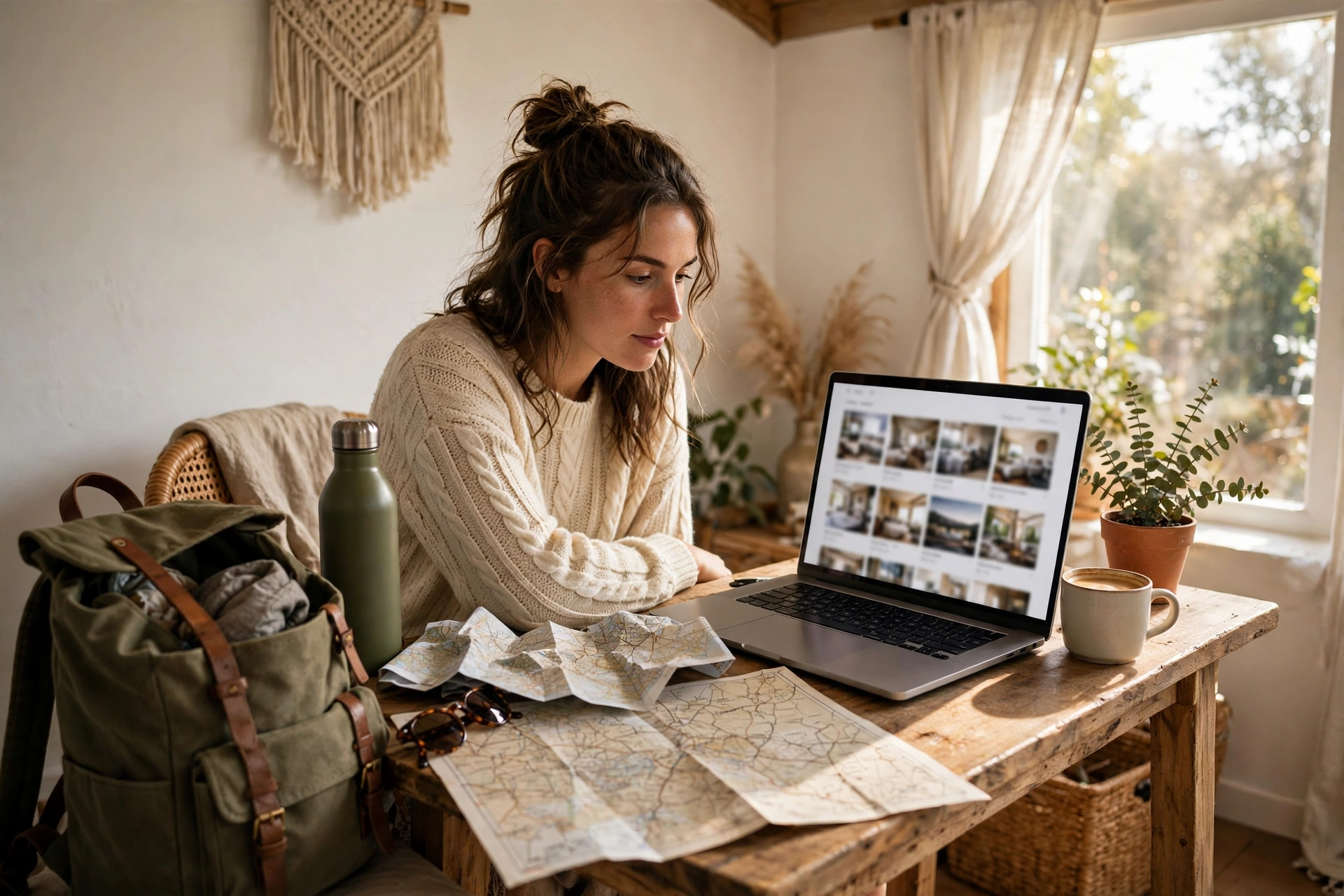
A low nightly rate is not the same as a low total cost. Before you compare prices, decide what you actually need: a private room or a dorm bed, a kitchen or just a bed for the night, and how far from the centre you are willing to stay. A slightly higher price near public transport can cost less overall than a bargain room that needs expensive taxis every day.
Always compare the total price, not the headline rate. Taxes, cleaning fees, service charges, and deposits can change the picture completely, and some listings only reveal them at checkout. Where a platform lets you filter by total price, use it; otherwise add the fees yourself before deciding.
Be flexible where it costs you nothing. Travelling just outside peak season, or shifting your dates by a day or two, often brings the price down without lowering the quality of the stay.
Where to Look for Genuinely Affordable Stays
Start with established booking platforms and well-reviewed hostels, guesthouses, and small hotels rather than a random listing found through a social media ad. Large platforms are not perfect, but they give you a booking record, a review history, and a route to raise a problem.
Once you find a place you like, check whether the property also takes direct bookings through its own website. Some small hotels and guesthouses offer a slightly better rate or a free extra when you book direct, because they save on platform commission. Only do this when the property has a real website, a verifiable address, and contact details you can check independently, never through a link sent by a stranger.
Consider the full range of budget options, not just hotels. Hostels with private rooms, guesthouses, university accommodation offered outside term time, and house-sitting or home-exchange arrangements can all be far cheaper than a hotel, but each suits a different kind of trip. Check what is actually included: breakfast, linen, towels, and Wi-Fi are sometimes extras.
Verify the Listing Before You Pay Anything
This is the step that protects you most, and it takes about ten minutes. First, read the reviews across more than one place. A genuine property usually has reviews spread over months or years, with specific detail. Be suspicious of a listing with only a handful of glowing, vague reviews posted within a few days, or reviews that all sound written by the same person.
Next, check that the property actually exists. Search its name and address on a map and look at the street view if one is available. Does the building match the photos? If the listing hides its exact location until after payment, that alone is not proof of fraud, but combined with other warning signs it should make you pause.
Test the host before you commit. Send a normal question, such as asking about check-in times or luggage storage, and see whether the reply is specific and professional. A genuine host answers the question you asked; a scammer often replies with urgency, a special discount, or pressure to move the conversation off the platform. Keeping messages on the platform also keeps a record you can use if something goes wrong, which is why the safety habits in these travel safety tips for first-time international travelers matter just as much for accommodation as they do for documents and money.
Red Flags That Should Stop You Booking
Walk away, or at least investigate much harder, if you spot any of these signs:
- A price far below similar places in the same area. An impossibly low price creates urgency and stops you thinking. If every comparable room costs twice as much, ask why.
- Pressure to pay off the platform. Requests to pay by bank transfer, gift card, or cryptocurrency, or to move to a private chat app, remove the protections a platform gives you.
- Photos that look too perfect or stolen. If photos look like stock images, or the same photos appear under different property names, run a reverse image search.
- No reviews, no history, and no verifiable identity. A brand-new listing is not automatically fake, but one with a bargain price and an unverifiable host deserves extra caution.
- Vague or changing details. An address that changes between messages, or terms that shift once you are ready to pay, are reasons to stop.
No single sign proves a listing is fake, but two or more together are a strong reason to choose a different place. There will always be another room.
Pay Safely and Keep Proof of Everything
Pay through the booking platform whenever you can, and use a credit card rather than a direct bank transfer where you have the choice. Card payments and platform bookings leave a trail and give you a route to dispute a charge if the property is not as described, while a bank transfer is very difficult to reverse.
Before you pay, screenshot or save the listing page, the total price including fees, the cancellation terms, and your confirmation. Save every message with the host, including any extra promises, as evidence if you need to ask the platform for help.
Read the cancellation policy before you pay, not after. A cheap non-refundable rate can be a false economy if your plans might change, and a flexible rate is sometimes worth a little extra. Also check check-in and check-out times and luggage storage, so a bargain room does not leave you waiting with your bags. Planning the practical side of arrival goes hand in hand with packing well, and this guide to packing light for a two-week trip covers the kind of light, organised travel that makes a budget stay much easier.
If Something Goes Wrong Anyway
Sometimes a genuine booking still goes wrong: the room is not as described, the host does not show up, or the property does not exist. Contact the host through the platform first, so there is a written record, then contact the platform to report the problem and ask for help or a refund.
If you paid by card and the platform cannot resolve the problem, contact your card issuer and ask about disputing the charge, explaining clearly what was promised and what actually happened, with your screenshots and messages as evidence. Keep copies of everything you send. If you believe you have been deliberately scammed, report it to the platform and to your local consumer protection or fraud reporting service, so the listing can be investigated and other travellers warned.
FAQ: Finding Cheap Accommodation Safely
Is it safe to book accommodation through social media?
It carries much more risk: no booking record, no verified review history, and usually no way to get your money back. If you consider it, verify the property independently, never pay by bank transfer or gift card, and be wary of listings that contacted you first.
How can I tell if reviews are fake?
Look for reviews spread over time, with specific details about the room, the host, and the area. Be cautious when all reviews are short, vague, and posted close together, or when reviewers have no other review history.
Should I ever pay a deposit outside the booking platform?
Only for a well-established hotel you have verified independently through its own official website or phone number. Never pay a deposit to a private individual through an untraceable method for a discount.
Final Thoughts
Finding cheap accommodation without booking scams comes down to a simple habit: enjoy the bargain, but verify it before you pay for it. Compare total prices, read reviews in more than one place, check that the property really exists, and keep your payment and messages on a platform that can help you. Those checks cost minutes and can save your whole trip budget.