
Timor-Leste — still often called East Timor — is Southeast Asia’s youngest country and one of its least visited, which is precisely its appeal. There are no crowds at the beaches, no queues at the museums, and a sense of discovery that is hard to find elsewhere in the region. What you trade for that is comfort: roads are rough, infrastructure is basic, and travelling here takes patience. This guide covers the places worth the effort and how to travel them realistically.
Dili: The Capital on the Bay
Start in Dili, a low-key capital set on a sweeping bay. The waterfront is the city’s living room: fishermen mend nets, families gather in the evening, and the Cristo Rei statue — a tall figure of Christ on a headland east of the city — offers the classic panoramic view after a climb of several hundred steps. In town, the Timor-Leste Resistance Museum tells the story of the country’s long struggle for independence with honesty and care; it is the single most important museum visit in the country and it gives context to everything else you will see. The Santa Cruz Cemetery and the Chega! exhibition, which documents the independence-era violence, are sobering but essential companions to that story. Dili also has the country’s best range of guesthouses, restaurants and ATMs, so it is the practical base for the whole trip.
Atauro Island: World-Class Diving, Village Pace
Atauro Island, a couple of hours by ferry from Dili, is the highlight for many visitors. Its reefs are exceptionally rich — the waters around Atauro are known among divers for their biodiversity — and the island offers diving, snorkelling and village stays in a setting that feels genuinely remote. The island has no real roads to speak of, so expect to walk or travel by boat between villages, and bring cash: there are no ATMs on Atauro. Staying with a local family or at a small eco-lodge, eating what the village eats, and snorkelling straight off the beach is the Atauro experience; it is not a resort island, and that is its charm.
Jaco Island: The Remote Eastern Tip
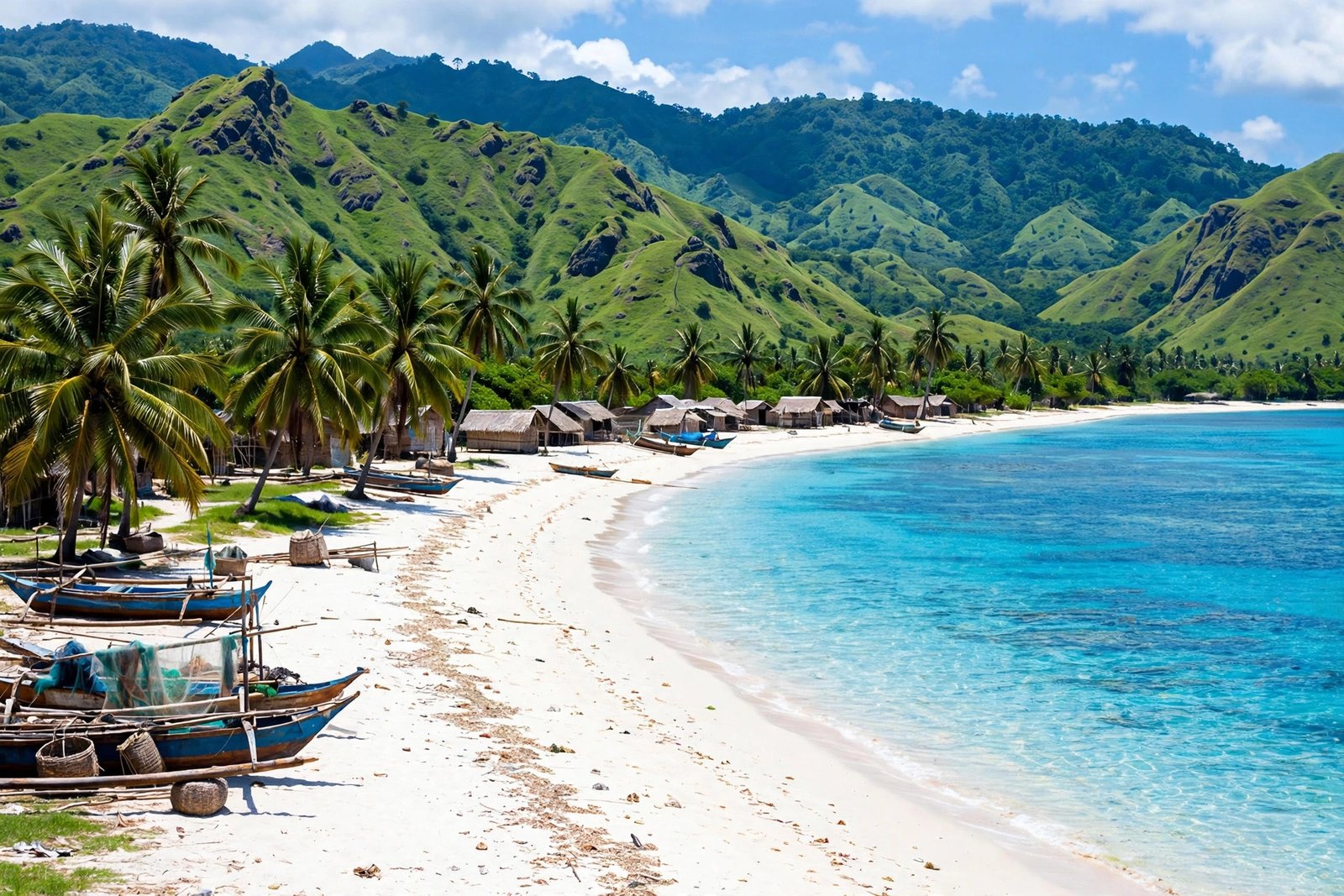
At the far eastern tip of the country, Jaco Island is a small, uninhabited island of white sand and turquoise water, reached by a short boat crossing from Tutuala. Jaco is ecologically protected: there is no accommodation on the island itself, no shops, and visitors are expected to leave nothing behind. The boat crossing is weather-dependent, and the overland journey from Dili to Tutuala is long and rough — this is a two- or three-day commitment, not a day trip. For travellers who make it, Jaco is the most beautiful beach in Timor-Leste, and the journey itself, through the island’s eastern highlands, is part of the reward.
Baucau and the Interior: Mountains and Markets
East of Dili, Baucau is the country’s second city, set on a plateau above the sea with a faded Portuguese colonial character and a lively market. Further inland, the mountains around Maubisse and Mount Ramelau — Timor-Leste’s highest peak — offer cooler air, coffee-growing villages and hiking. Climbing Ramelau is a popular overnight trip, usually done with a local guide, ending with sunrise from the summit. These interior trips need a four-wheel-drive vehicle and a driver who knows the roads; self-driving is possible but not recommended for first-time visitors, as road conditions and signage are poor.
Planning a Trip to East Timor
A week to ten days allows Dili, Atauro and one interior or eastern trip; trying to see everything in less means most of your time goes to rough roads. Bring US dollars in cash — Timor-Leste uses the US dollar, and ATMs exist mainly in Dili — and carry more cash than you think you need once you leave the capital. Check your government’s current travel advice before you go, as advice for some areas can change, and arrange travel insurance that covers medical evacuation: the country’s hospitals are limited, and serious cases are evacuated to Darwin or Singapore. Tetum and Portuguese are the official languages; Indonesian and English are also spoken in Dili, but outside the capital, patience and a phrasebook go a long way. For regional context, our guide to the 25 best places to visit in Asia and our Singapore guide — the nearest major hub for flights into Dili — will help with wider trip planning.
FAQ: Visiting East Timor
How do I get to East Timor?
Most visitors fly into Dili’s Presidente Nicolau Lobato International Airport, with connections typically via Bali, Darwin or Singapore. Overland entry from Indonesian West Timor is also possible but involves border formalities and long road journeys.
Is East Timor safe for tourists?
Timor-Leste is generally welcoming to visitors, and most trips pass without incident. The main risks are practical rather than criminal: rough roads, limited medical facilities and strong currents at some beaches. Check current official travel advice and take the precautions in the planning section above.
When is the best time to visit East Timor?
The dry season, roughly May to November, is the best time for travel, diving and road journeys. The wet season (December to April) brings heavy rain that can make roads impassable, especially in the interior.
Do I need a visa for East Timor?
Many nationalities can obtain a visa on arrival at Dili airport, but rules vary by nationality and change from time to time. Check the current requirements for your passport well before you travel, and carry a passport valid for at least six months beyond your trip.
Final Thoughts
East Timor is not an easy destination, and it should not be sold as one. It is a rewarding one: a young country, extraordinary reefs, empty beaches, and people who are proud to show you their home. Travel slowly, travel prepared, and you will leave with a trip unlike any other in Southeast Asia.