Your alarm goes off before sunrise, but the city is already awake — delivery scooters, the first trains, someone’s playlist leaking through thin walls. By the time you reach the street, the day has a rhythm you did not choose: crowds, noise, deadlines, the low hum of a thousand strangers moving in every direction. Living in a city can feel like being carried by a current. But here is the thing most urban dwellers discover eventually: you cannot calm the city down, but you can learn to move through it on your own terms.
The City Is Not the Enemy
It is easy to treat the city as something happening to you. Reframing helps: the density that creates the noise also creates the energy — the food, the ideas, the chance encounters. People who thrive in cities tend to share one habit: they stop fighting the pace and start designing around it. The goal is not to escape the urban jungle but to find your own clearings inside it.
Design Your Commute Instead of Enduring It
For most city residents, the commute is the most stressful part of the day — and the most fixable. Small changes compound: leaving fifteen minutes earlier to avoid the worst crush, choosing the slightly longer but quieter route, or turning travel time into learning time with an audiobook or language lesson. If your schedule allows any flexibility, shifting your travel outside peak hours changes the entire texture of the day.
Treat the commute as a transition ritual rather than dead time. A short walk at either end — even ten minutes — gives your mind a buffer between home mode and work mode that a door-to-door subway ride never provides.
Find the Quiet Pockets
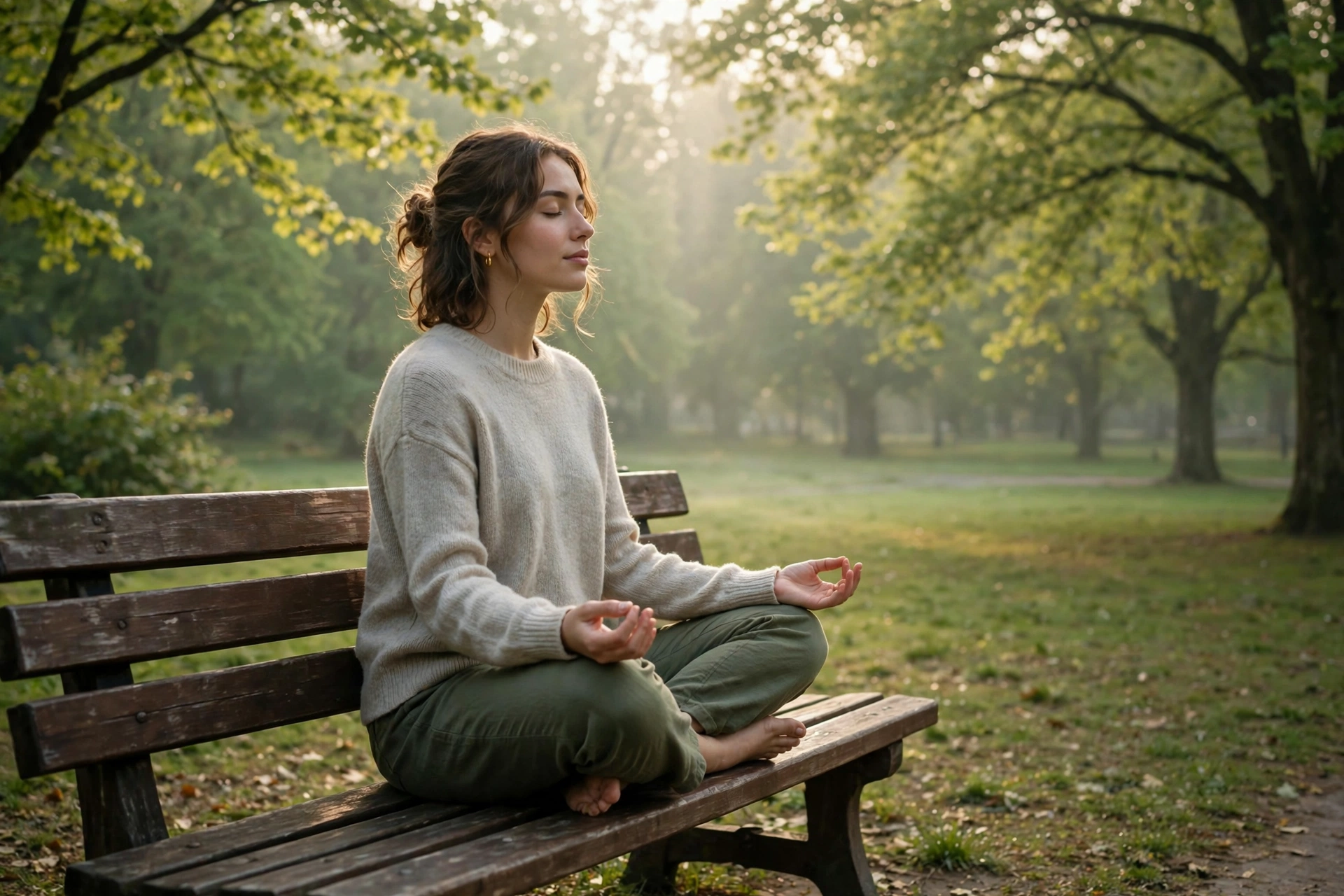
Every city has them: the park bench nobody sits on, the library reading room, the café that stays calm until noon, the riverside path two streets from the chaos. Make a personal map of these places. When the noise gets to you, you will not need to plan an escape — you will already know exactly where to go.
Timing matters as much as location. Cities have rhythms, and the early morning hours before the rush are often the most peaceful. A 6 a.m. walk through your own neighborhood can feel like visiting a different city entirely.
Walk More, Rush Less
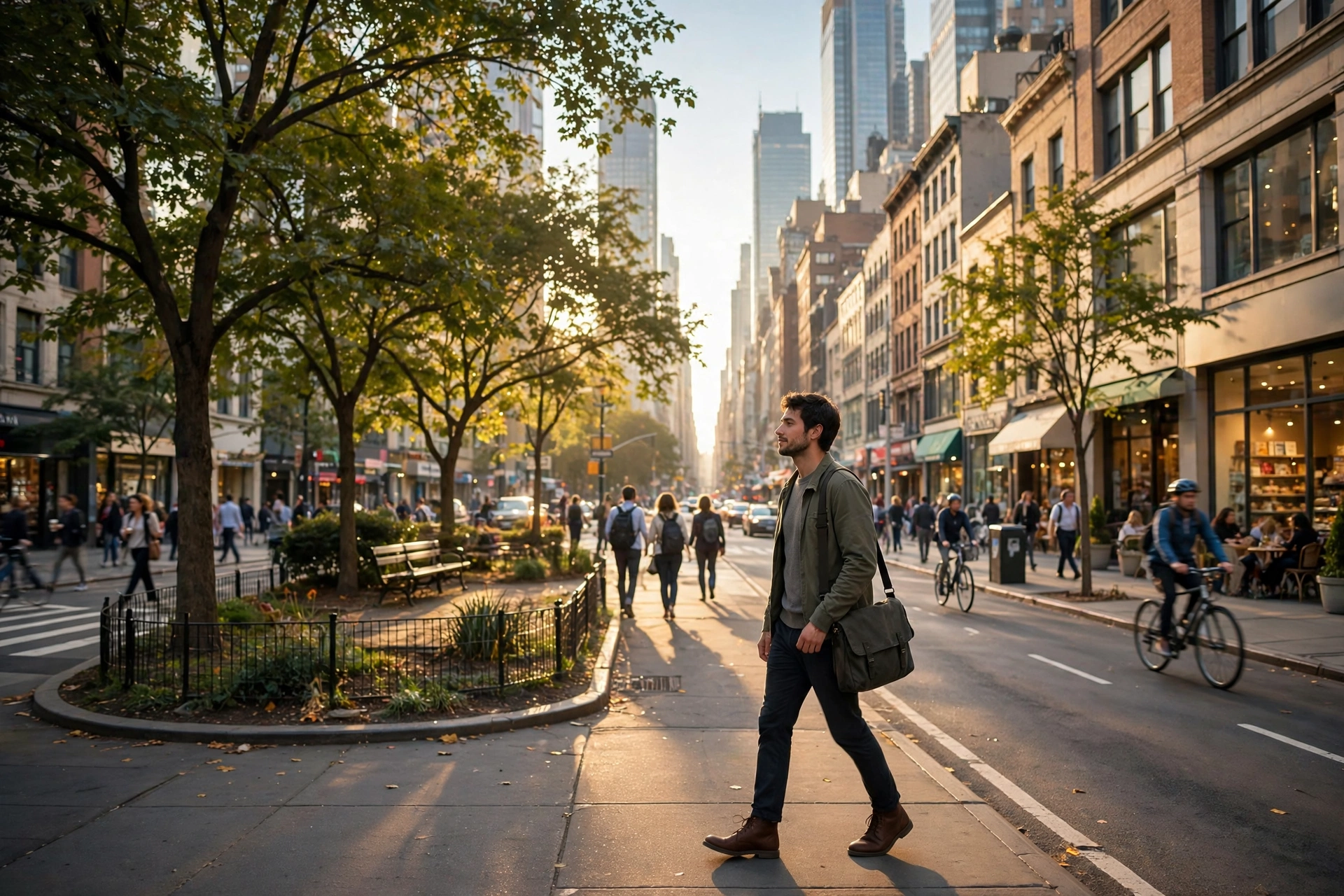
Walking is the antidote to the urban blur. When you walk, the city stops being a backdrop and becomes a place again — you notice the bakery that opened last week, the mural on the side street, the rhythm of your own neighborhood. Regular walking is also one of the simplest, most reliable ways to clear mental clutter and ease the physical tension that city life builds up in shoulders and jaws.
You do not need to walk everywhere. Replace one short motorized trip a day with a walk, and within a month your mental map of the city — and your relationship with it — will have changed.
Explore Your Own City Like a Traveler
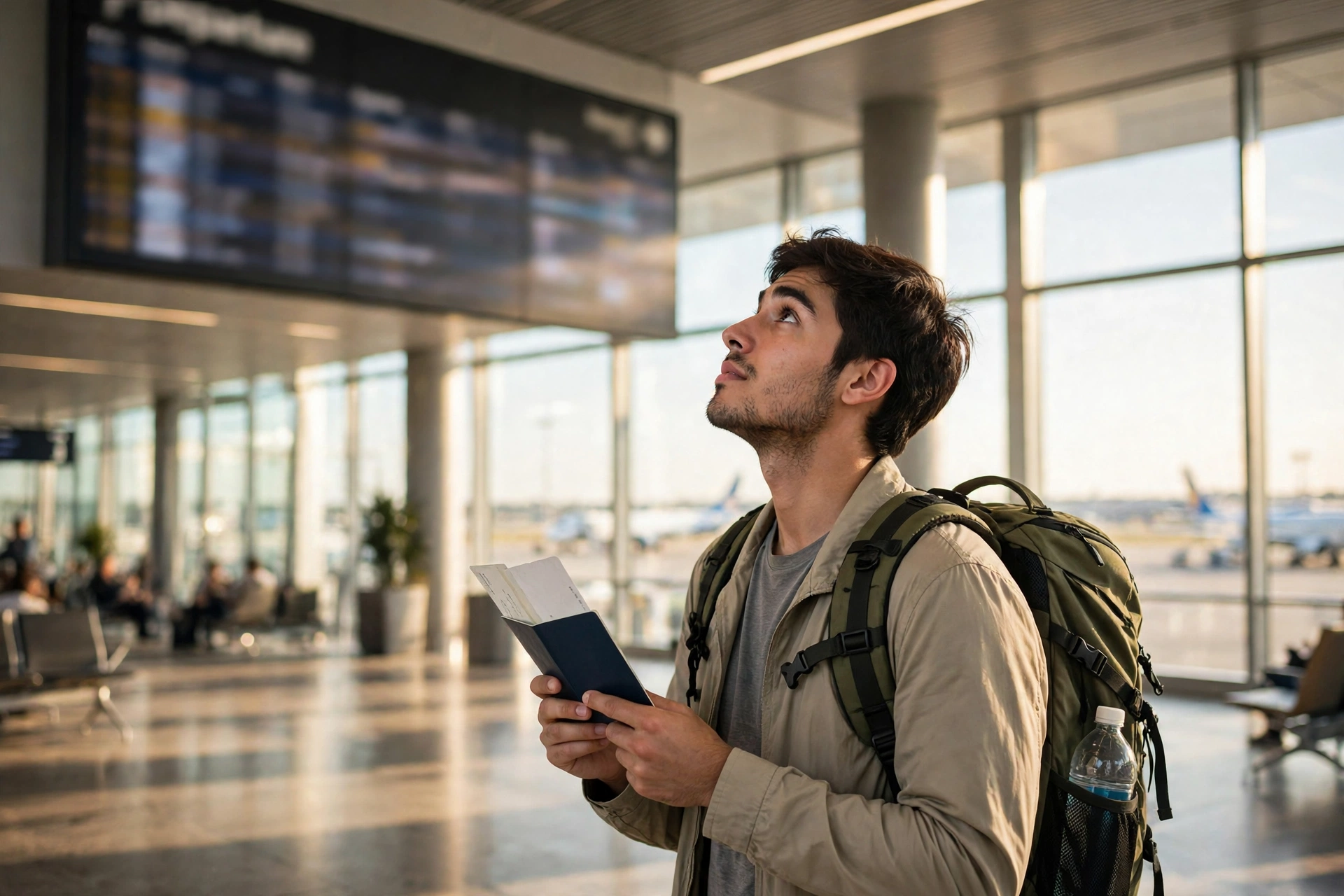
Residents are often the last people to enjoy their city’s best parts. Pick one weekend a month to be a tourist where you live: visit the museum you have walked past for years, eat in the neighborhood you have never explored, take the long way home on purpose. Travelers experience cities with fresh eyes because everything is new; you can borrow that mindset without buying a plane ticket.
If you want a model for how to do this well, look at how visitors plan a dense city trip — for example, a one-day itinerary for New York City shows how strategic planning turns an overwhelming metropolis into a manageable, enjoyable experience. Apply the same thinking to your own streets.
Build Small Rituals
Rituals are anchors in a fast-moving environment. Morning coffee at the same corner spot, a Sunday walk through the same park, a weekly call with a friend on the same bench — these small repetitions give the city a personal geography. Over time, the urban jungle stops feeling like a maze and starts feeling like a neighborhood: your neighborhood.
Frequently Asked Questions
How do I deal with commute stress?
Shift what you can control: travel time, route, and what you do during the trip. Even small adjustments — noise-cancelling headphones, an earlier departure, a walking segment — measurably change how a commute feels.
Is city living bad for mental health?
City life comes with real stressors — noise, crowding, cost — but research also links it to opportunity, social connection, and access to culture and services. The difference usually lies in how you manage the stressors: green space, sleep, social ties, and downtime matter more than the postcode.
What is the fastest way to feel calmer in a busy city?
Go somewhere green and quiet for twenty minutes without your phone. Parks, botanical gardens, and waterfronts exist in nearly every city, and regular short visits are one of the most reliable quick resets available.
Final Thoughts
The urban jungle is not going to slow down for you — but it does not have to carry you away, either. Design your commute, learn your quiet pockets, walk a little more, and explore your own streets with a traveler’s curiosity. The city you move through every day is the same city; the difference is whether you are enduring it or inhabiting it.