Stand on the St. Pete Pier on a warm evening and look out across Tampa Bay. The water is calm, the skyline glows behind you, and it is easy to imagine a different kind of boat cutting through the dark a hundred years ago — no lights, engine low, a cargo of Cuban rum hidden below deck. That is the story behind the phrase “Rum Runners St. Pete,” and it is a real one. What is not real is the idea of a single, bookable boat tour by that exact name. This guide separates the two: the verified history of rum running in Tampa Bay, the places where that history still shows, and how to experience it for yourself today.
What Rum Running Really Meant in Tampa Bay
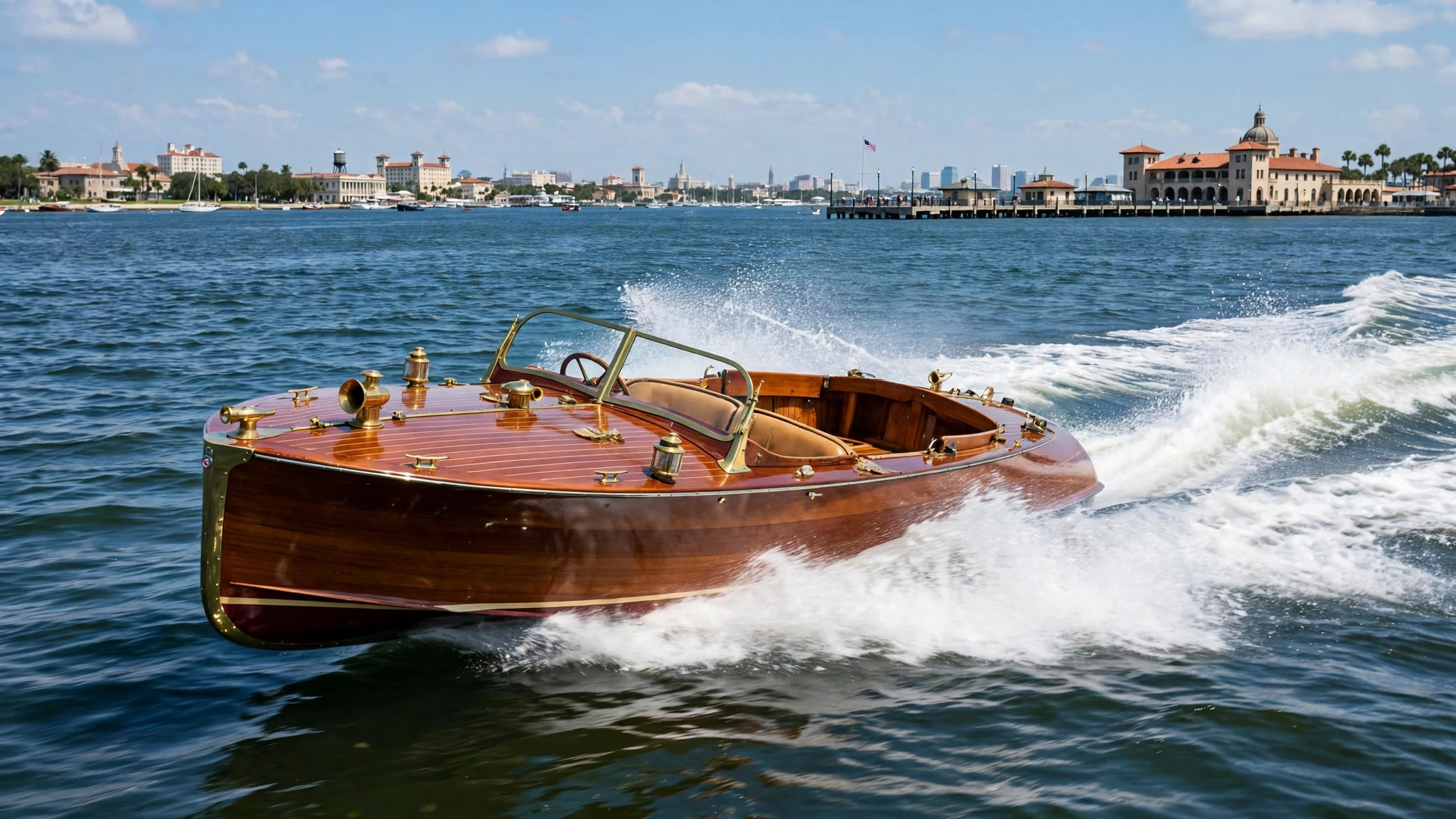
When the Eighteenth Amendment took effect in 1920, the United States went dry — but Florida’s west coast did not. Tampa Bay became one of the most notorious rum-running hubs in the South. Smugglers loaded barrels of Cuban rum in Havana, sailed across the Gulf of Mexico under cover of night, and anchored just outside American waters. From there, fast fishing boats slipped into Tampa Bay through channels the local crews knew by heart, landing at spots such as Port Tampa and Ballast Point.
St. Petersburg played its own part. The city worked hard to keep its image as a clean, family-friendly resort town, but behind that front, speakeasies thrived and downtown hotels sold “private memberships” that conveniently included a drink. By 1927, even city officials admitted the fight was lost. The scale of the trade was enormous: in 1928, federal officials seized a boat carrying more than 200 barrels of Cuban rum near Egmont Key, at the mouth of Tampa Bay — one of the largest hauls in Florida’s history — and within weeks another boat had taken its place. When repeal finally came in 1933, the Tampa Bay area had hardly ever gone dry in the first place. Florida Heritage’s account of Prohibition in Tampa Bay tells this story in detail, and it is the best single source if you want to read further.
Is There a “Rum Runners St. Pete” Boat Tour?
Here is the honest answer: no boat tour operating under the exact name “Rum Runners St. Pete” in St. Petersburg could be verified. Searches turn up similarly named experiences elsewhere — for example, an adults-only “Rum Runner” pirate cruise in St. Augustine, on Florida’s opposite coast — but nothing matching that name running from the St. Pete waterfront. That matters if you are planning a trip: do not pay for a ticket, a voucher, or a “limited spaces” booking under this name without first confirming the operator, the departure point, and what is actually included. The earlier version of this article described specific boats, guides, and booking details for such a tour; none of that could be verified, so it has been removed rather than repeated.
What you can do instead is experience the same story through things that do exist: the waterfront itself, the historic buildings the runners knew, a working distillery tour, and the ordinary boat trips that run from the Pier area today. The rest of this guide covers each of those.
The Waterfront the Rum Runners Knew
Start at the St. Pete Pier. A pier has stood on this spot since the 1920s — the famous Million Dollar Pier opened in 1926, right in the middle of Prohibition, and served as the city’s front door for four decades. The current Pier, which opened in 2020, is a modern rebuild on the same site, but standing at its end still gives you the same view the runners had: open bay to the south, Egmont Key on the horizon, and the downtown skyline behind you. It is free to walk, and it is the best place to get your bearings before anything else.
A short walk away stands the Vinoy, the grand pink Mediterranean Revival hotel that opened in 1925 — again, squarely in the Prohibition years. Its guests arrived by train and by boat into a city that was officially dry and unofficially anything but. You do not need to stay there to appreciate it; the lobby and the waterfront lawn are worth a look, and the building itself is the most visible surviving link to the era.
From the water, the landmark to look for is Egmont Key, the low island guarding the mouth of Tampa Bay. Its lighthouse dates to 1858, and its waters are where the 1928 seizure happened. You cannot drive there — it is reachable only by boat — but several sightseeing and ferry trips from the St. Pete area pass it or stop there, and the island’s ruined Fort Dade is one of the most atmospheric day trips in the bay. Check current ferry schedules before you go, as services change with the season.
How to Experience the Story Today
The most hands-on option is the Moonshiners Tour at St. Petersburg Distillery, at 800 31st Street South. It is a one-hour guided tour that starts with a cocktail in the tasting room, continues through the distillery with six spirit tastings, and tells the local stories of moonshining and bootlegging along the way. It is the closest thing in the city to a rum-running tour that actually exists — a working distillery telling its own history, rather than a themed boat ride. Book ahead, bring ID, and check the current schedule, as tour times change.
For the water itself, look for the sightseeing and sunset cruises that depart from the St. Pete Pier and the downtown marina. These are ordinary harbour cruises, not Prohibition re-enactments, but they cover the same bay the runners crossed, and a good captain will point out the landmarks — the Pier, the Vinoy, the Skyway Bridge, Egmont Key — as you pass them. If you want a smaller, more flexible trip, private charters operate from marinas around Gulfport and St. Pete Beach, a short drive away. Compare a few operators, confirm what is included, and remember that Florida weather can cancel a trip at short notice, so keep your plans flexible.
On land, the rum theme continues after dark. Doc Ford’s Rum Bar & Grille, at 610 2nd Avenue NE, is a waterfront rum-and-seafood spot that fits the nautical mood without pretending to be a museum. And if you are spending a hot day by the water first, our guide to how to cool off at the river on a hot summer day covers the practical side — shade, water, and pacing yourself in the Florida heat — which applies just as well on Tampa Bay.
Planning Your Visit
Timing matters. St. Petersburg is at its most comfortable from late autumn through spring, when the humidity drops and the bay breeze does real work. Summer brings afternoon thunderstorms that can cut a boat trip short, so book morning cruises and keep an indoor backup, such as the distillery tour or the downtown museums, in reserve. Winter is the busiest season, so book boat trips and distillery tours a few days ahead rather than turning up and hoping.
Pack for the water: sunscreen, sunglasses, a hat, and a light jacket for the evening breeze, even in summer. Bring a camera, but keep it in a dry bag on a small boat. Arrive at the Pier early if you want a quiet walk before the crowds, and allow at least half a day for the Pier, the Vinoy area, and a cruise — a full day if you add the distillery tour and dinner on the waterfront. Prices, hours, and tour schedules change, so confirm them with the operator on the day rather than relying on any article, including this one.
If you enjoy historic waterfront towns, the same approach works elsewhere on the Atlantic coast — our guide to places to visit in the Outer Banks, North Carolina, covers another shoreline where the history is best seen from the water.
FAQ: Rum Runners St. Pete
Was St. Petersburg really a rum-running town?
Yes. During Prohibition (1920–1933), Tampa Bay was a major rum-running hub. Cuban rum came across the Gulf, fast boats brought it into the bay, and St. Petersburg’s speakeasies and hotels served it despite the city’s clean resort image. The 1928 seizure of more than 200 barrels near Egmont Key is one of the best-documented incidents.
Can I book a Rum Runners boat tour in St. Petersburg?
No tour under that exact name could be verified. Book a sightseeing or sunset cruise from the Pier area instead, or take the Moonshiners Tour at St. Petersburg Distillery for the Prohibition story itself. Always confirm the operator and departure point before paying.
What is the best place to start?
The St. Pete Pier. It is free, it stands on the site of the 1926 Million Dollar Pier, and it gives you the bay view the whole story depends on. From there, the Vinoy, the distillery, and the boat departures are all a short trip away.
Is the story suitable for families?
The history is fine for all ages — it is a story about smuggling and Prohibition, not about drinking. Note that the distillery tour involves tastings and is aimed at adults, while the Pier walk, the waterfront, and family boat cruises suit children well.
Final Thoughts
“Rum Runners St. Pete” is worth searching for, because the history behind it is genuinely remarkable — a dry-law city that never really went dry, fast boats on a moonlit bay, and a seizure of 200 barrels that barely slowed the trade. The mistake is expecting that history to come packaged as a single ticketed tour. It does not, at least not under that name. Go instead to the places where the story happened: the end of the Pier, the Vinoy’s pink walls, the distillery on 31st Street, and the open water past Egmont Key. That is the real Rum Runners experience, and unlike a made-up tour, it is still there waiting.