The group chat is planning the annual summer trip, and once again the dates do not work for you. You could wait another year — or you could do something quietly radical: book the trip for one. Traveling alone in summer, when days are long and destinations are at their liveliest, is one of the most rewarding ways to see the world. It is also simpler than most people imagine. Here is a practical guide to planning a summer solo trip that feels exciting rather than intimidating.
Why Summer Is a Great Season to Go Solo
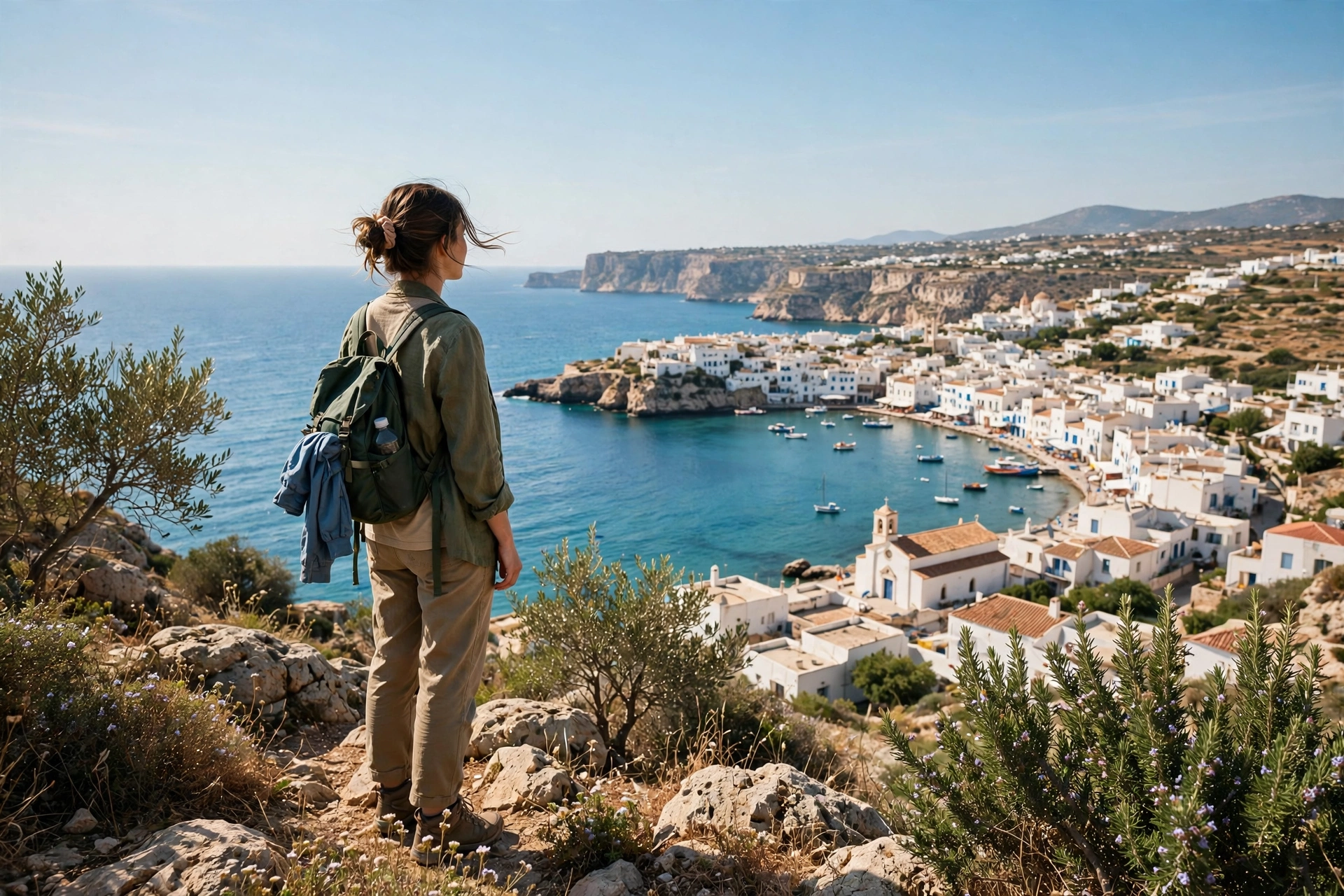
Summer stacks the deck in the solo traveler’s favor. Long daylight hours mean more time to explore safely and less pressure to cram everything into a short day. Warm weather makes outdoor plans — hiking, beaches, open-air markets, evening festivals — easy and spontaneous. And summer is peak social season in most destinations: hostels buzz, walking tours fill up, and fellow travelers are everywhere, so “alone” rarely means “lonely” unless you want it to.
Choose a Destination That Fits a Solo Traveler
Not all destinations are equally solo-friendly. Look for places with good public transport, walkable centers, a lively hostel or guesthouse scene, and plenty of daytime activities — these factors make independent travel smooth and social. Coastal towns, university cities, and well-touristed regions are classic safe bets for a first solo summer trip.
It also helps to pick a place with a hook that excites you personally. Film and TV tourism, for instance, gives a trip instant structure: Richmond’s real-life Ted Lasso filming locations make a ready-made itinerary for fans visiting England. Whatever your interest — food, history, hiking, music — let it shape the destination, because enthusiasm carries you through the occasional lonely evening.
Plan Smart, Stay Flexible
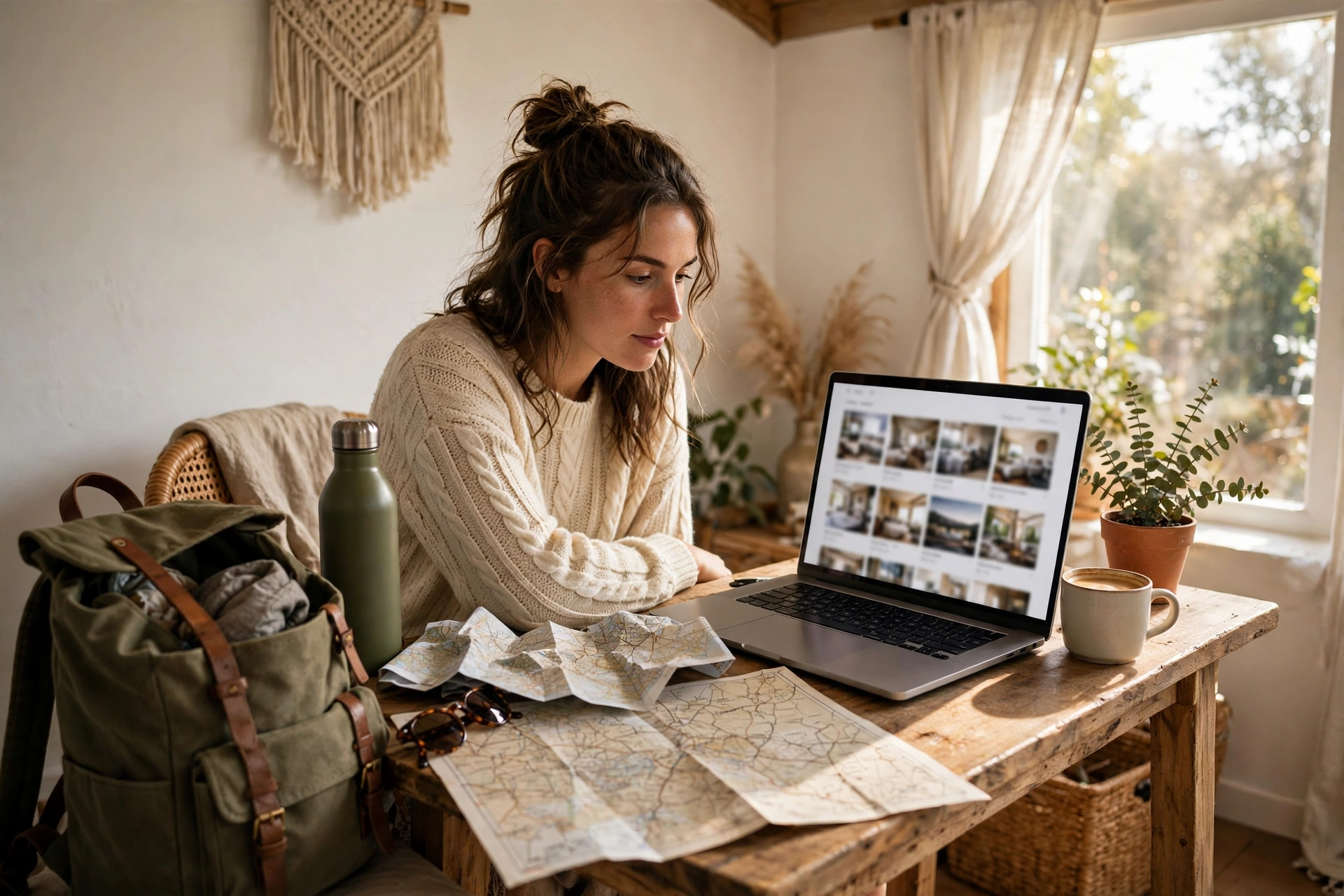
Book the essentials in advance — your first night’s accommodation, transport between cities, and any must-do activity with limited capacity — and leave the rest open. Over-planning kills the best part of solo travel: the freedom to change course. That street-food tour you hear about from a hostel roommate, the beach someone recommends at breakfast — spontaneity is the reward for traveling alone, so protect space for it.
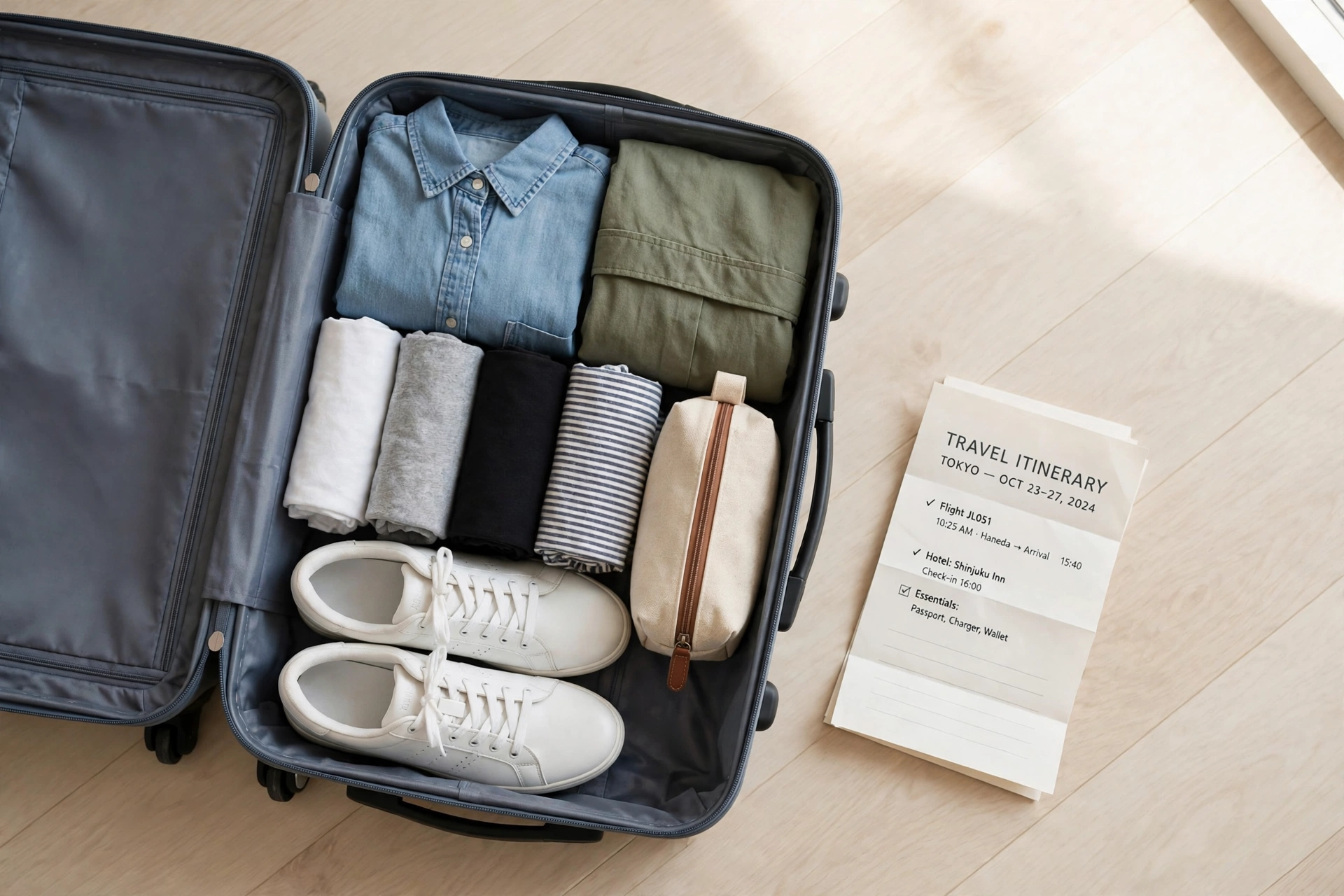
Pack light. You will carry everything yourself, navigate stairs and crowded platforms, and repack often. A single bag you can lift comfortably beats a “complete” wardrobe every time. And keep digital and paper copies of key documents in separate places.
Stay Safe on Your Own
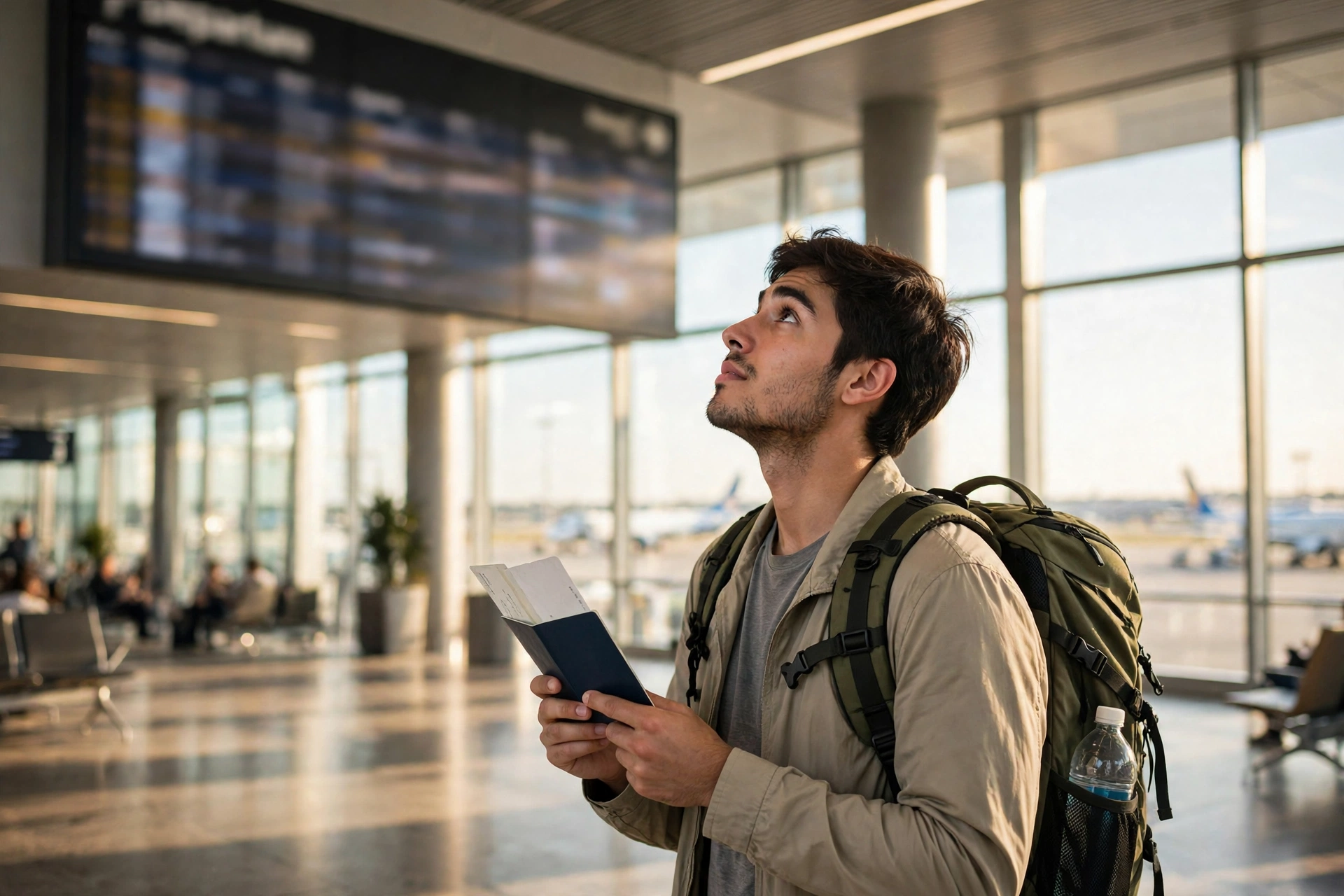
Solo safety is mostly common sense applied consistently. Share your itinerary with someone at home and check in regularly. Arrive in new places during daylight when possible. Keep valuables discreet and split cash between locations. Trust your instincts about people and places — discomfort is data.
Practical specifics help: choose accommodation with good reviews from other solo travelers, learn a few phrases in the local language, and know the local emergency number before you need it. None of this is paranoia; it is the routine maintenance that lets you relax and enjoy the trip.
Meet People Without Forcing It
One of solo travel’s paradoxes is that it is often more social than group travel. Stay in social hostels, join walking tours and cooking classes, eat at communal tables, and say yes to the first invitation. You do not need to be extroverted — structured activities do the ice-breaking for you. And when you want solitude, take it guilt-free; that is the whole point of going solo.
The Mindset That Makes It Work
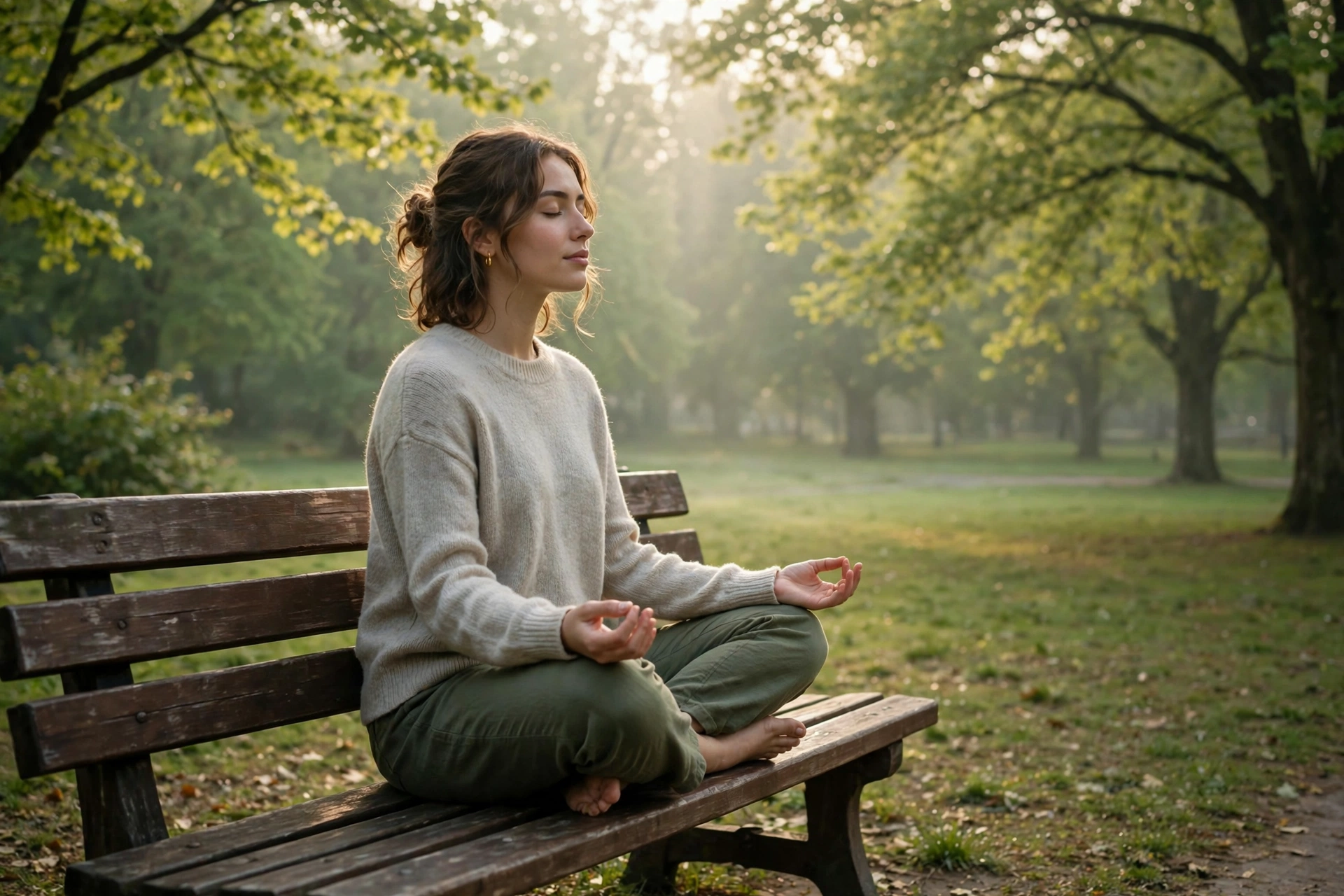
The travelers who love going solo share a mindset, not a personality type. They treat minor problems as stories rather than disasters. They are comfortable with their own company. And they understand that the trip does not need to be perfect to be worthwhile — a missed train or a rainy day is part of the texture, not a failure. Pack patience alongside your sunscreen.
Frequently Asked Questions
Is solo travel safe?
For most destinations, yes — with the same precautions any traveler should take, applied a bit more carefully. Research your destination, choose well-reviewed accommodation, stay aware of your surroundings, and share your plans with someone at home.
Is solo travel more expensive?
It can be, since you cannot split accommodation and transport costs — the “single supplement” is real. Offset it with hostels, guesthouses, off-peak timing, and self-catering some meals. Many solo travelers find the total comparable to a mid-range group trip.
What if I get lonely?
You probably will, briefly — and that is normal, not a sign the trip was a mistake. Loneliness usually passes with a change of scene: a walking tour, a busy café, a hostel common room. Many solo travelers say the lonely hour taught them something the busy ones did not.
Final Thoughts
Summer will come whether you travel or not. Going solo turns a season into an experience that belongs entirely to you — your pace, your choices, your discoveries. Plan the essentials, stay flexible, look after yourself, and say yes more than you say no. The group chat can wait; the summer cannot.