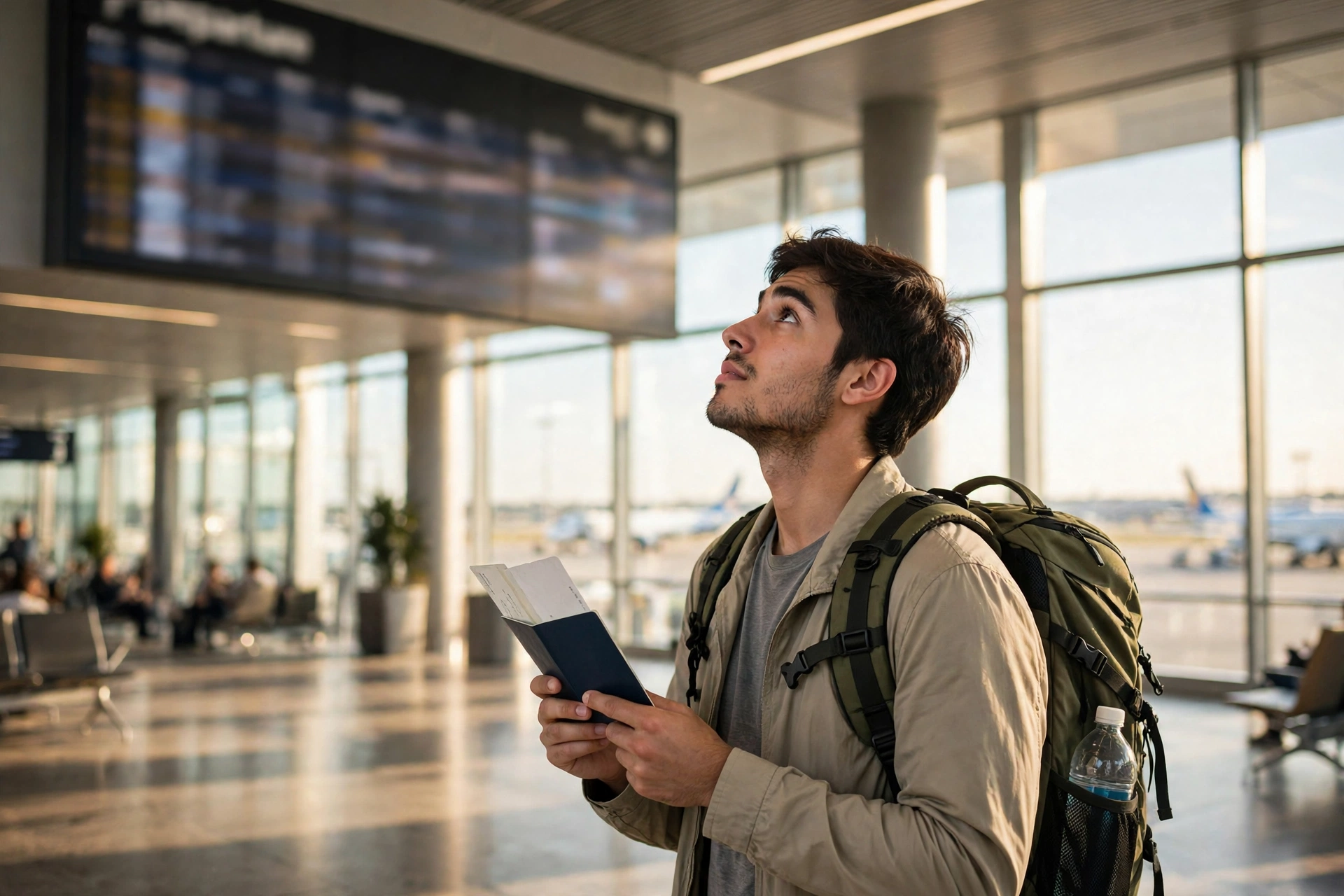
Your boarding pass is in your hand, your passport has its first empty pages waiting, and somewhere past security there is a plane with your name on the manifest. Your first international trip is one of those rare life moments that feels equal parts thrilling and nerve-wracking. You are about to navigate foreign airports, unfamiliar currencies, and streets where you do not speak the language — and that is exactly the point. A little preparation turns those nerves into confidence. These practical travel safety tips will help you protect your documents, money, and health, so you can spend less time worrying and more time enjoying the trip.
Get Your Documents in Order First
Before you think about itineraries, get your paperwork bulletproof. Most countries require your passport to be valid for at least six months beyond your travel dates, so check the expiry date now, not at the airport. Research whether your destination requires a visa or an electronic travel authorization, and apply early — processing times can surprise you.
Photograph or scan your passport, visa, insurance policy, and flight confirmations, and store the copies in your email or cloud storage where you can reach them even if your phone is lost. Leave a copy with someone back home too. Finally, read your government’s travel advisory for the destination before you go; the U.S. State Department, for example, publishes country-by-country safety information at travel.state.gov.
Buy Travel Insurance and Know What It Covers
Travel insurance is the least exciting purchase you will make for your trip and possibly the most important. A decent policy covers emergency medical treatment abroad, medical evacuation, trip cancellation, and lost or stolen belongings. Read the exclusions before you buy — adventure activities, pre-existing conditions, and alcohol-related incidents are commonly excluded.
If you take regular medication or have a health condition, call the insurer and confirm you are covered. Keep the policy number and the 24-hour emergency helpline saved in your phone, not just in your email.
Keep Your Money Safe
Money problems abroad are rarely about how much you bring — they are about how you carry it. Split your cash between your wallet and a secure spot like a hotel safe, so losing one does not leave you stranded. Carry at least two different cards (a debit and a credit card) and keep them in separate places. Tell your bank you are traveling so a foreign transaction does not freeze your card.
Use ATMs inside banks rather than standalone machines on the street, shield the keypad when you enter your PIN, and avoid counting money in public. A simple money belt or neck pouch worn under your clothes is still one of the cheapest, most effective anti-theft tools for crowded markets and busy transit stations.
Protect Your Health
Your body is your most important travel gear. Check whether your destination requires or recommends any vaccinations, and talk to your doctor or a travel clinic at least a few weeks before departure — the CDC’s traveler health pages at wwwnc.cdc.gov/travel are a solid starting point for destination-specific guidance.
Pack any prescription medication in its original container with a copy of the prescription, and bring a little extra in case of delays. Drink bottled or treated water where tap water is not reliably safe, and be cautious with street food until your stomach adjusts — busy stalls with high turnover are usually the safest bet. A small first-aid kit with painkillers, bandages, antiseptic, and rehydration salts handles most minor problems.
Learn the Common Scams Before You Land
Most travel scams are variations on a few classics, and knowing them in advance takes away their power. The taxi with a “broken meter,” the friendly stranger who warns you that the attraction you wanted is “closed today” (but their cousin’s shop is open), the overpriced “official” tour sold on the street — these work on first-timers precisely because everything is unfamiliar.
Agree on taxi fares before you get in, or use a reputable ride-hailing app. Book tours through your hotel or a well-reviewed operator, not from someone who approaches you on the street. And be polite but firm with strangers who are unusually eager to “help” — genuine helpers do not follow you for three blocks.
Stay Connected and Share Your Plans
Your phone is a safety tool, not just a camera. Get a local SIM card or an eSIM data plan on arrival so you always have maps and a way to call for help. Share your full itinerary — flights, hotels, and rough daily plans — with someone back home, and check in with them on a regular schedule.
Save the local emergency number in your phone before you need it; it is not 911 everywhere (in the European Union, for instance, 112 works across all member states). Many countries also let citizens register their trips with their foreign ministry so the nearest embassy can reach them in an emergency — look up your country’s version before you fly.
Make Your Accommodation Work for You
Where you sleep matters for safety. Read recent reviews and pay attention to comments about the neighborhood, not just the room. When you check in, ask the receptionist to write down your room number instead of saying it aloud. Use the room safe or the front-desk safe for your passport and spare cash.
Keep your door locked and use the deadbolt or security latch at night. If someone knocks claiming to be staff, call the front desk to confirm before opening. And learn the fire exit route when you arrive — it takes thirty seconds, and it is the kind of thing you never regret knowing.
Pack Smart: Less Stuff, Fewer Worries
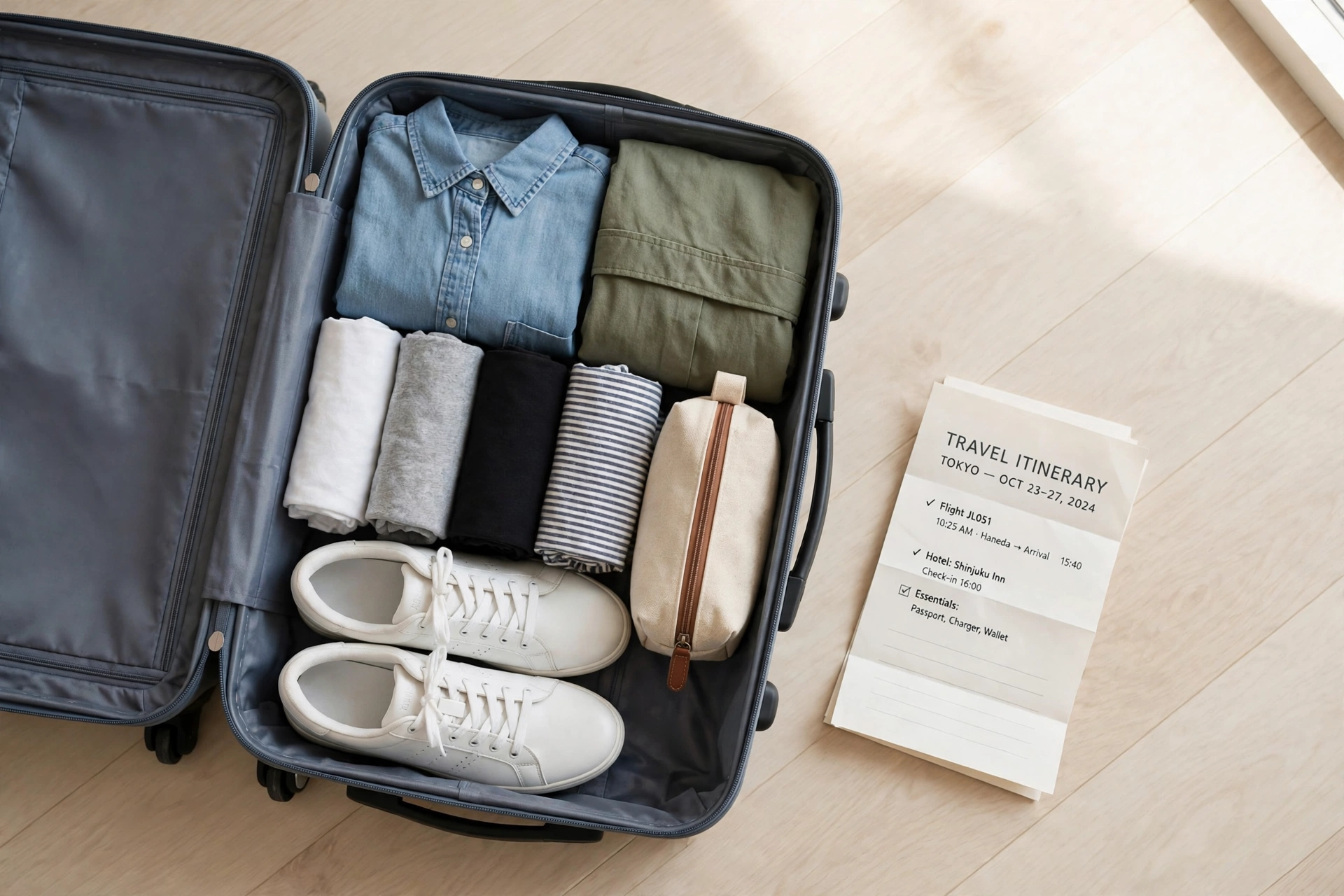
Every extra bag is one more thing to watch, carry, and lose. Traveling light is not just comfortable — it is safer, because you can keep your belongings with you instead of checking them or leaving them in a vehicle. If you want a full system for it, read our complete guide to packing light for a two-week trip. The short version: choose versatile clothes you can layer, keep valuables in your personal item (never in checked luggage), and leave anything irreplaceable at home.
A Note on Solo Travel
Traveling alone for the first time adds a layer of vulnerability — and a layer of freedom. Tell your hotel where you are headed each day, avoid arriving in a new city after dark when possible, and trust your instincts: if a situation feels wrong, leave. For more on traveling on your own, see our practical guide to planning a summer solo trip — many of the planning principles apply year-round.
FAQs
What should I do if my passport is stolen abroad?
First, file a police report — you will need it for the replacement process. Then contact your country’s nearest embassy or consulate, which can issue an emergency travel document. This is where those cloud-stored copies pay for themselves: they speed everything up.
Do I really need travel insurance for a short trip?
Even a week-long trip can produce a large hospital bill abroad, and domestic health insurance often does not cover you internationally. For the cost of a nice dinner, insurance buys real peace of mind.
How do I avoid taxi scams in a new country?
Use a ride-hailing app where available, agree on the fare before the ride starts, or ask your hotel what the trip should cost so you know when you are being overcharged.
Final Thoughts
Your first international trip will teach you things no article can — how to read a metro map in another language, how to order dinner with hand gestures, how good it feels to find your way back to your hotel on your own. These travel safety tips are not meant to make you cautious; they are meant to make you confident. Handle the preparation, then let the trip surprise you.