You know the feeling. You climb into bed tired and ready for sleep — and then your mind switches on. You replay the day, plan tomorrow, check the clock, and check it again. By 2 a.m. you are wide awake, and by morning you are exhausted before the day has even started. If that sounds familiar, you are not alone, and you do not have to reach for sleeping pills to fix it. Learning how to sleep better without medication usually comes down to small, repeatable habits that teach your body when to wind down and when to wake up. This guide walks you through them one at a time, so you can start tonight.
Why Sleep Feels So Hard Right Now
Poor sleep rarely has a single cause. For most people it is a mix of an irregular schedule, too much bright light and screen time late at night, stress that follows them into bed, and a bedroom that works against rest. Caffeine too late in the day and a heavy evening meal can add to the problem. The good news is that every one of these factors is something you can change — and none of them requires a prescription.
Start With a Steady Sleep Schedule
Your body runs on an internal clock, and it loves regularity. The single most effective change you can make is to go to bed and wake up at roughly the same time every day — including weekends. Most adults need at least 7 hours of sleep a night, according to the Centers for Disease Control and Prevention, so pick a wake-up time you can keep and count backwards to set your bedtime.
Try not to “catch up” by sleeping in for hours on Saturday. A long lie-in feels good in the moment, but it shifts your body clock and makes Sunday night — and Monday morning — much harder.
Build a Wind-Down Routine That Actually Works
Your body needs a signal that the day is ending. Pick two or three calming activities and repeat them in the same order every night, starting 30 to 60 minutes before bed:
- Dim the lights and put your phone on silent, ideally in another room or at least out of arm’s reach.
- Take a warm shower or bath — the drop in body temperature afterwards helps you feel drowsy.
- Read a paper book, stretch gently, or listen to quiet music or a podcast.
- Write tomorrow’s top three tasks on a piece of paper, so your brain can stop rehearsing them.
The routine itself matters less than the repetition. After a week or two, your body starts to associate those steps with sleep, and drowsiness arrives on its own.
Make Your Bedroom a Place for Sleep
Your bedroom should feel like a place for rest, not a second office. Keep it cool, dark, and quiet — most people sleep best in a room that feels slightly cool, with blackout curtains or an eye mask if street lights leak in. Use your bed mainly for sleep, not for scrolling, working, or watching shows, so your brain stops associating it with being awake and alert.

If noise is a problem, a fan or a white-noise app can mask sudden sounds.
Watch Light, Caffeine, and Late Meals
Light is the strongest signal for your body clock. Get bright light — ideally daylight — within an hour of waking, even if it is just a short walk or breakfast near a window. In the evening, do the opposite: dim the lights and avoid bright screens for the last hour before bed.
Caffeine stays in your system far longer than most people expect, so set a cutoff in the early afternoon — around 2 p.m. works for most people — and switch to water or herbal tea after that. A heavy, spicy, or very late dinner can also keep you awake, so aim to finish eating at least two to three hours before bed. A small, light snack is fine if you are genuinely hungry.
Beyond the immediate strategies for enhancing sleep quality, it’s essential to consider the broader lifestyle factors that contribute to both rest and overall well-being. One often-overlooked aspect is the physical strain of prolonged sitting, which can exacerbate stress and disrupt our natural sleep rhythms. Integrating gentle movement throughout the day is crucial for maintaining energy levels and reducing tension, particularly for those who spend long hours at a desk. Simple, effective routines like desk stretches for people who sit all day can alleviate discomfort and promote a more relaxed state, fostering a smoother transition to sleep at night. By addressing physical stressors, you not only improve your daytime comfort but also lay the groundwork for a more restorative night’s sleep.
Move Your Body During the Day
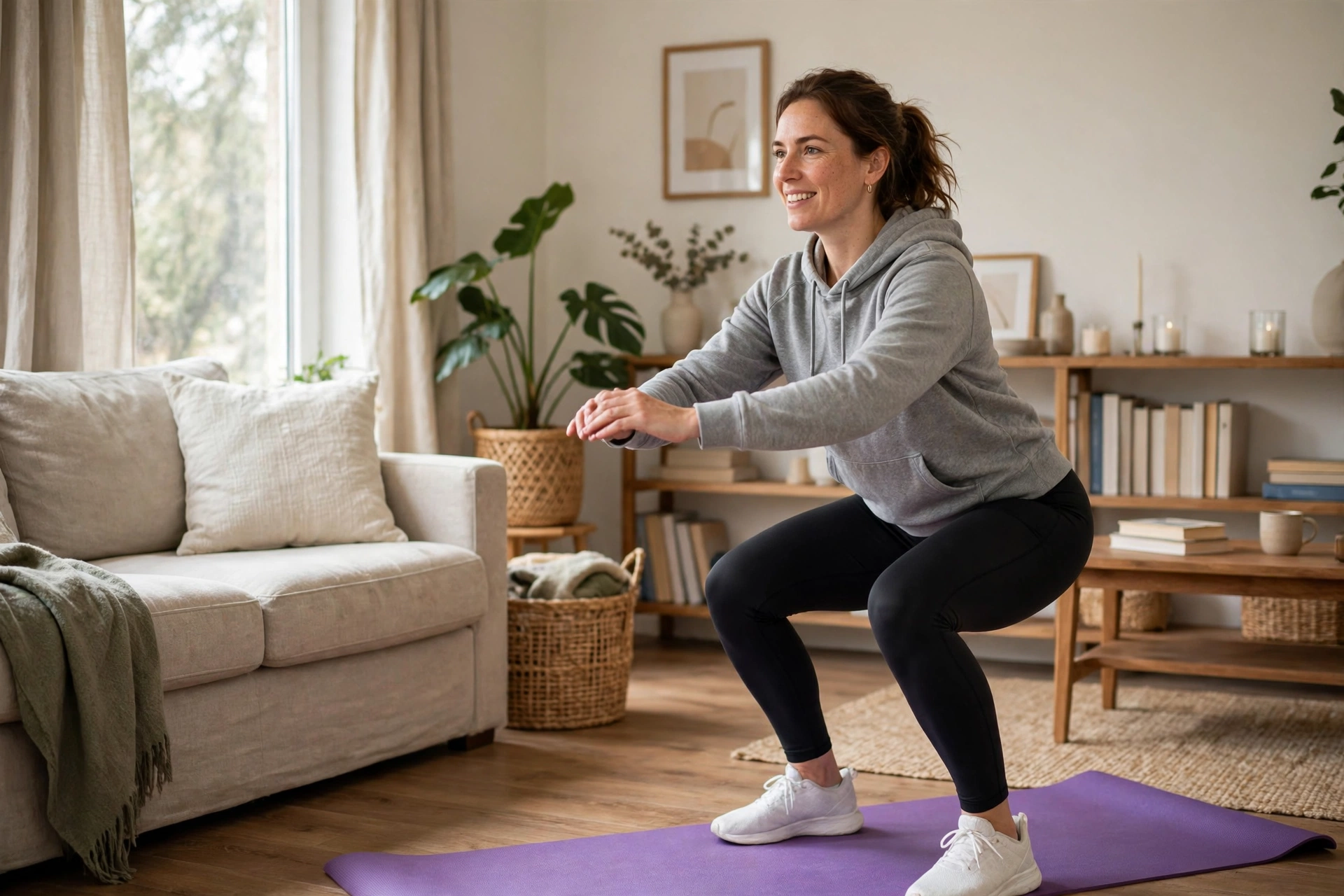
Regular daytime movement is one of the most reliable ways to sleep better without medication. You do not need an intense workout — a brisk 30-minute walk, a bike ride, or a home workout all help your body build up the healthy tiredness that makes sleep come easily. Try to finish vigorous exercise at least a few hours before bed, since a late, intense session can leave you wired.
Quiet a Racing Mind Before Bed
For many people, the real barrier to sleep is not the body but the mind. Worries, unfinished tasks, and tomorrow’s plans all seem louder in a dark, quiet room. A few minutes of slow breathing can help: breathe in for four counts, hold for four, and breathe out for six, repeating until your shoulders drop. Writing your worries down — even briefly — moves them out of your head and onto paper, where they can wait until morning.
If a busy mind is a regular problem for you, it is worth working on your daytime mental habits too. Our guide to keeping your mind in the best condition covers simple daily practices that reduce mental overload, and a calmer day usually leads to a calmer night.
What to Do When You Cannot Fall Asleep
Lying in bed worrying about not sleeping only makes sleep harder to reach. If you have been awake for about 20 minutes, get up. Go to another room, keep the lights low, and do something quiet and boring — read a dull book, listen to soft music, or fold laundry. Return to bed only when you feel drowsy. This teaches your brain that bed means sleep, not frustration.
Whatever you do, avoid checking the time every few minutes and avoid picking up your phone. Both feed the cycle: the clock adds pressure, and the phone adds light and stimulation. If you wake up during the night, the same rule applies — stay calm, stay dark, and get up briefly if you cannot drift off again.
When to Talk to a Doctor
These habits help most people, but they are not a treatment for a medical problem. Talk to a doctor if you regularly struggle to fall or stay asleep for more than a few weeks, if you snore loudly and wake up gasping, if you feel extremely sleepy during the day despite a full night in bed, or if sleep problems are affecting your mood, work, or safety. Conditions such as sleep apnoea, restless legs, and chronic insomnia are common and treatable — and no self-help routine should replace proper medical advice.
FAQs
How long does it take for these habits to work?
Most people notice some improvement within a week, but a full reset of your body clock can take two to four weeks. Stick with the routine even on nights when it does not seem to work — consistency is what trains your body.
Is it okay to use melatonin instead of sleeping pills?
Melatonin is a supplement, not a sedative, and it works best for shifting sleep timing rather than forcing sleep. It is not risk-free, and the right dose and timing vary from person to person, so ask a doctor or pharmacist before using it regularly — especially if you take other medicines.
What if I work night shifts?
Shift work makes regular sleep harder, but the same principles apply: keep your sleep times as consistent as your shifts allow, use blackout curtains and an eye mask for daytime sleep, and get bright light during your “morning” to anchor your body clock.
Final Thoughts
You do not need medication to sleep well — you need a routine your body can trust. A steady schedule, a calm wind-down, a dark and quiet bedroom, and a little daytime movement cover most of what good sleep requires. Start with one or two changes tonight, add another next week, and give your body time to adjust. And remember that a good night sets up a good morning: once your sleep improves, a simple morning routine for better energy all day becomes much easier to keep. Tonight, dim the lights a little earlier — your future self will thank you in the morning.