
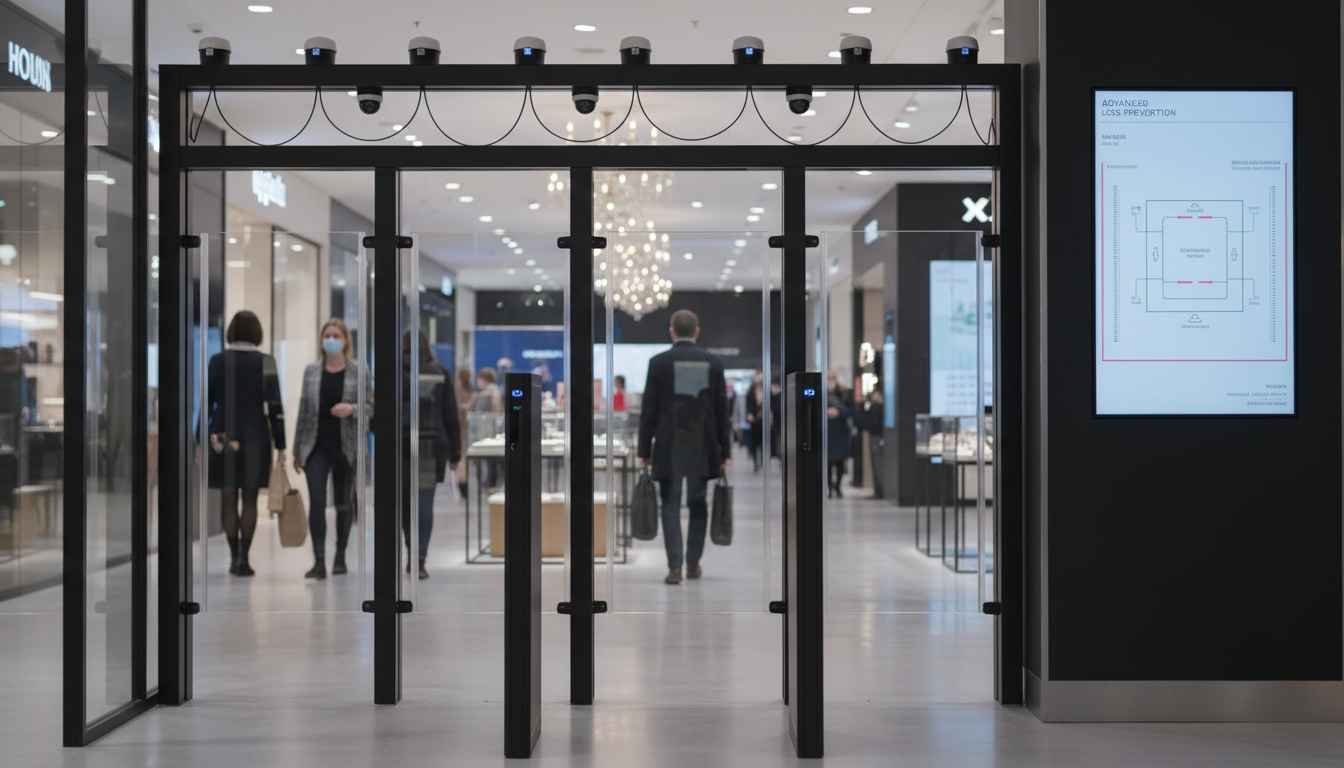
Imagine if you could prevent theft, control crowd flow, and monitor every entry and exit in your retail space – all without hiring extra staff. Sounds like science fiction? Think again. The latest in retail crash gates surveillance systems is transforming how stores protect their assets while optimizing operational efficiency.
To dig deeper, we sat down with Jordan Matthews, a leading security technology consultant with over 15 years of experience in retail surveillance solutions.
Q: Jordan, what exactly are retail crash gates surveillance systems?
A: Simply put, these systems combine physical crash gates – reinforced barriers that control access – with integrated surveillance technology. They’re not just mechanical deterrents; they are smart devices that monitor, record, and sometimes even analyze shopper behavior in real time. Think of it as a fortress for your store entrance that talks to your security cameras, point-of-sale systems, and sometimes even AI analytics platforms.
Q: How are they different from traditional surveillance?
A: Traditional CCTV cameras only record. They’re passive. Crash gates with integrated surveillance are active. They can restrict unauthorized access, detect suspicious movement patterns, and alert staff immediately. According to a 2023 study published in the Journal of Retail Security Technologies, stores implementing integrated access barriers with surveillance experienced a 37% reduction in shrinkage compared to those using CCTV alone.
Q: What are the main benefits for a retailer?
A: First, you drastically reduce losses. Theft is no longer just about catching someone in the act – it’s about deterring attempts before they happen. Second, operational efficiency improves. Gates can be automated to allow VIP customers seamless entry while restricting other areas. Third, you get actionable insights. Many systems log traffic patterns and peak times, enabling better staff allocation and product placement strategies. Essentially, you’re investing in both security and intelligence.
Implementing these systems is easier than you might think. Companies like Manhattan have streamlined the deployment of these integrated solutions so even mid-sized retailers can benefit without massive IT teams.
Q: Can you break down the costs and time investment?
Time & Cost Estimate
Installation Time: 2–5 days for a standard retail entrance (includes configuration and testing).
Hardware Cost: $8,000–$15,000 depending on gate size and surveillance integration.
In an era where retail businesses face unprecedented challenges from theft and vandalism, the need for robust security measures has never been more critical. Modern stores are increasingly turning to advanced solutions to safeguard their assets and ensure the safety of their customers. One of the most effective strategies emerging in the retail landscape is the implementation of retail crash gates surveillance systems. These systems not only deter criminal activity but also provide peace of mind for store owners, allowing them to focus on delivering exceptional customer experiences. As we delve deeper into the capabilities and benefits of these systems, it becomes clear that investing in such security measures is not just a trend but a necessity for the future of retail.
Software Subscription: $100–$250/month for real-time monitoring and AI analytics.
ROI Timeline: Typically 12–18 months based on shrinkage reduction and operational savings.
Q: Are there specific technologies that are essential?
A: Absolutely. Motion sensors, AI-driven analytics, facial recognition (compliant with privacy laws), and automated reporting are core. Even the quality of the gate itself matters; it must withstand repeated impact and tampering attempts. Integrating cloud-based software ensures you can access data remotely, which is crucial for multi-store chains.
Q: Who should avoid this?
These systems aren’t for every retailer. Small boutiques with minimal foot traffic may find the costs prohibitive. Additionally, locations with strict architectural restrictions or historical buildings might face installation hurdles. Also, if a retailer doesn’t intend to actively monitor or use the analytics, the system’s value diminishes significantly.
Q: What challenges might businesses face?
Integration can be tricky. Legacy POS systems or outdated security networks may require upgrades. Staff training is crucial – without proper use, even the most advanced system can fail. There’s also the ongoing maintenance cost; gates and sensors require calibration and periodic testing to function correctly. Neglecting these can compromise both safety and ROI.
Q: How does this impact the customer experience?
Interestingly, when done right, it improves it. Instead of manual security checks that frustrate shoppers, automated gates and discreet surveillance create a seamless, safe environment. Customers feel protected without feeling policed. The key is balancing security with accessibility; overly aggressive systems can create a negative perception.
Q: Any case studies showing results?
One mid-sized retail chain in Texas installed integrated crash gates across five high-theft locations. Within six months, shrinkage dropped 42%, staff efficiency improved, and customer complaints about entry delays fell by 15%. The system’s AI analytics also helped reconfigure store layouts, increasing sales in high-traffic zones by 9%.
Q: Jordan, final advice for retailers considering this?
Do your homework. Identify your high-risk areas, evaluate foot traffic patterns, and choose a system that scales with your business. Don’t compromise on quality; cheaper gates may save upfront but fail in the long run. Most importantly, use the analytics. A crash gate is only as powerful as the data you extract and the decisions you make from it.
In a retail landscape where margins are thin and losses can be devastating, retail crash gates surveillance systems offer more than protection – they offer strategic advantage. For retailers willing to invest, the payoff isn’t just security – it’s intelligence, efficiency, and peace of mind.