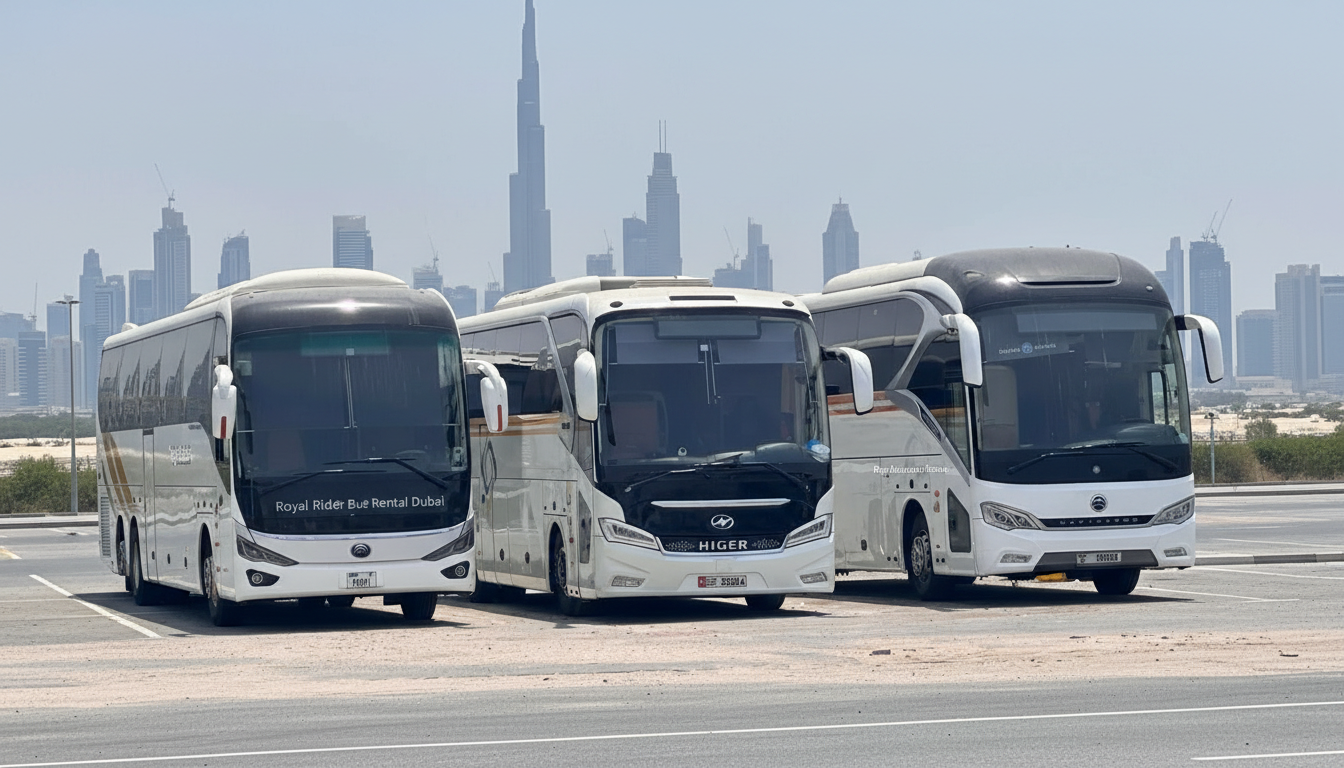

In the fast-paced automotive sector of Dubai, United Arab Emirates (UAE), a subtle shift in the customer journey can unlock significant new revenue streams. Take, for instance, an automotive brand that implemented small yet strategic changes to their digital marketing approach. The result? A 30% increase in online lead conversion within just a few months. This shift is not an isolated case. Across the UAE, automotive companies are seeing rapid growth through digital marketing – if they know how to harness the right strategies effectively.
The Competitive Friction in Dubai’s Automotive Sector
The automotive industry in Dubai is fierce, with established players jostling for a slice of the market share. The local market, a melting pot of international and local automotive brands, has led to an environment where differentiation is becoming increasingly difficult. Without a robust digital marketing strategy, even major brands can find themselves buried in an overcrowded field. This friction is felt at every level of the customer journey – from lead generation to final purchase – creating bottlenecks that limit growth.
As companies invest more in digital marketing, the challenge is no longer about having an online presence; it’s about standing out in an overcrowded digital marketplace. The problem lies in understanding how to strategically use tools like search engine optimization (SEO), pay-per-click (PPC), and social media advertising to capture the attention of an audience that’s constantly bombarded with information.
Strategic Resolution Protocol
To resolve these issues, automotive firms need to optimize their use of digital marketing channels with precision. An essential strategy includes leveraging SEO to boost organic rankings across platforms like Google and Bing. Simultaneously, targeted PPC campaigns can create immediate traffic while SEO takes time to generate results. Social media marketing is also crucial for brand engagement, offering companies an opportunity to reach younger audiences who increasingly rely on platforms like Instagram and Facebook for their automotive needs.
Future Economic Implications
As digital marketing evolves, the economic impact of these strategies will increase. Firms that leverage data-driven marketing solutions and consumer insights will have the edge in capturing consumer attention. This will likely lead to a consolidation of market leaders who can successfully blend organic strategies with paid media to dominate search rankings. The future will see automotive brands increasing their investment in digital channels, but only those who can adapt to rapidly changing algorithms will continue to lead the market.
Understanding the Role of SEO in Automotive Marketing
SEO is more than just a buzzword in the automotive industry; it’s a powerful tool that can drive long-term success. In Dubai’s competitive automotive landscape, having a strategic approach to SEO is vital for any company looking to capture the attention of potential customers. The challenge, however, lies in effectively utilizing SEO to optimize a website and content for both search engines and users.
Automotive brands often struggle with ranking on the first page of Google due to high competition and changing algorithms. While SEO tactics are effective, many firms find themselves trapped in a cycle of trial and error, leading to wasted time and resources. However, companies like BeOnTop have proven that systematic, data-driven SEO efforts can significantly enhance visibility and drive traffic to a company’s website.
Strategic Resolution Protocol
Implementing a comprehensive SEO strategy involves keyword research, on-page optimization, content development, and link-building efforts. Automotive companies must focus on optimizing their websites for local search queries, especially since Dubai’s market is hyper-localized. This includes targeting location-based keywords, creating content that speaks to local automotive needs, and ensuring that the website is mobile-optimized for Dubai’s tech-savvy audience.
Future Economic Implications
As more automotive companies recognize the value of SEO, the landscape will become increasingly competitive. The most successful firms will likely invest in AI and machine learning to predict consumer behavior and optimize their SEO strategies in real-time. By continuously adapting to Google’s algorithm updates, automotive brands will not only sustain but accelerate their market dominance.
The Power of Paid Media in Driving Immediate Results
Paid media, specifically Google Ads, is one of the most effective ways to achieve immediate visibility in Dubai’s crowded automotive market. Many automotive brands use paid search ads to drive traffic to their websites, ensuring that their products and services are visible to potential customers at the exact moment they search for solutions. However, managing PPC campaigns effectively is where the real challenge lies. Without a solid understanding of bidding strategies and campaign targeting, even the best automotive brands can quickly waste significant advertising budgets.
The problem with many automotive companies is that they fail to optimize their paid media strategy to ensure maximum ROI. Many companies end up overbidding on keywords that don’t convert, or they focus too heavily on broad terms that don’t provide the right level of targeting. However, when properly executed, paid media strategies can drive targeted leads and yield high returns on investment.
Strategic Resolution Protocol
A strategic approach to PPC involves a combination of smart bidding, laser-focused targeting, and continuous optimization. Automotive brands must invest in tools that allow them to track conversions, measure campaign performance, and adjust bids in real-time. By analyzing consumer behavior and intent, brands can bid on high-value keywords and refine their campaigns for maximum efficiency.
Future Economic Implications
Paid media will continue to evolve as automation and AI play an increasing role in campaign management. In the future, automotive companies may rely heavily on machine learning to optimize bidding, targeting, and ad copy. The next step in paid media will be hyper-personalization, allowing brands to deliver tailored messages to specific customer segments based on behavioral insights.
The Impact of Social Media on Consumer Decision-Making
Social media plays a significant role in shaping consumer behavior in Dubai’s automotive market. The digital landscape is increasingly becoming a social-first environment where car buyers are researching, comparing, and making decisions on platforms like Instagram, Facebook, and LinkedIn. However, for many automotive companies, social media marketing remains a relatively underutilized channel despite its immense potential.
Brands often overlook the power of user-generated content and social proof in influencing potential customers. While traditional advertising has its place, today’s consumer is more likely to trust a recommendation from a friend or online influencer than a paid ad. In this environment, social media platforms are more than just marketing tools – they are becoming the primary research channel for automotive buyers.
Strategic Resolution Protocol
To leverage social media effectively, automotive brands need to adopt a strategy that includes engaging content, influencer partnerships, and user-generated content. Brands must also understand the importance of social listening tools to monitor online conversations and respond to consumer queries. By fostering a strong social presence, automotive companies can build trust, increase engagement, and ultimately drive sales.
Future Economic Implications
The role of social media in automotive marketing will continue to grow, as younger generations increasingly rely on platforms like Instagram to influence their purchasing decisions. In the future, social media marketing will likely become even more interactive and dynamic, with brands leveraging augmented reality (AR) to offer virtual car tours or test drives. Automotive companies that can effectively integrate these technologies will gain a competitive edge.
“Automotive firms must not only adapt their digital strategies but also create a cohesive ecosystem where SEO, paid media, and social media work together to drive conversion and customer loyalty.”
The Digital Ecosystem: A Unified Approach to Automotive Marketing
In the complex automotive landscape of Dubai, success is not determined by a single digital marketing channel but by a cohesive, multi-channel approach. Automotive companies need to blend SEO, paid media, and social media strategies to create a unified digital ecosystem. Failing to integrate these channels can result in missed opportunities, leaving brands vulnerable to competitors who are better optimized for the digital space.
While individual channels may yield results, the true power lies in their combination. Integrating these strategies ensures that companies can maximize their reach while maintaining a consistent message across all platforms. However, achieving this level of integration requires a deep understanding of consumer behavior, technology, and marketing principles. As a result, firms are increasingly turning to specialized agencies and in-house teams to manage their multi-channel efforts effectively.
Strategic Resolution Protocol
Creating a successful digital marketing ecosystem for automotive brands requires a comprehensive understanding of each channel’s strengths. SEO can drive long-term organic traffic, paid media can generate immediate leads, and social media can build long-term brand loyalty. By integrating these efforts and continuously analyzing performance data, brands can optimize their digital presence and accelerate growth.
Future Economic Implications
The future of digital marketing in the automotive sector will see an increased focus on technology integration. AI, automation, and data-driven strategies will help brands seamlessly connect their digital efforts, ensuring a smoother customer journey from lead generation to final purchase. In the future, the automotive brands that can effectively integrate and optimize their digital marketing channels will be the ones who thrive in this rapidly evolving landscape.
<p