
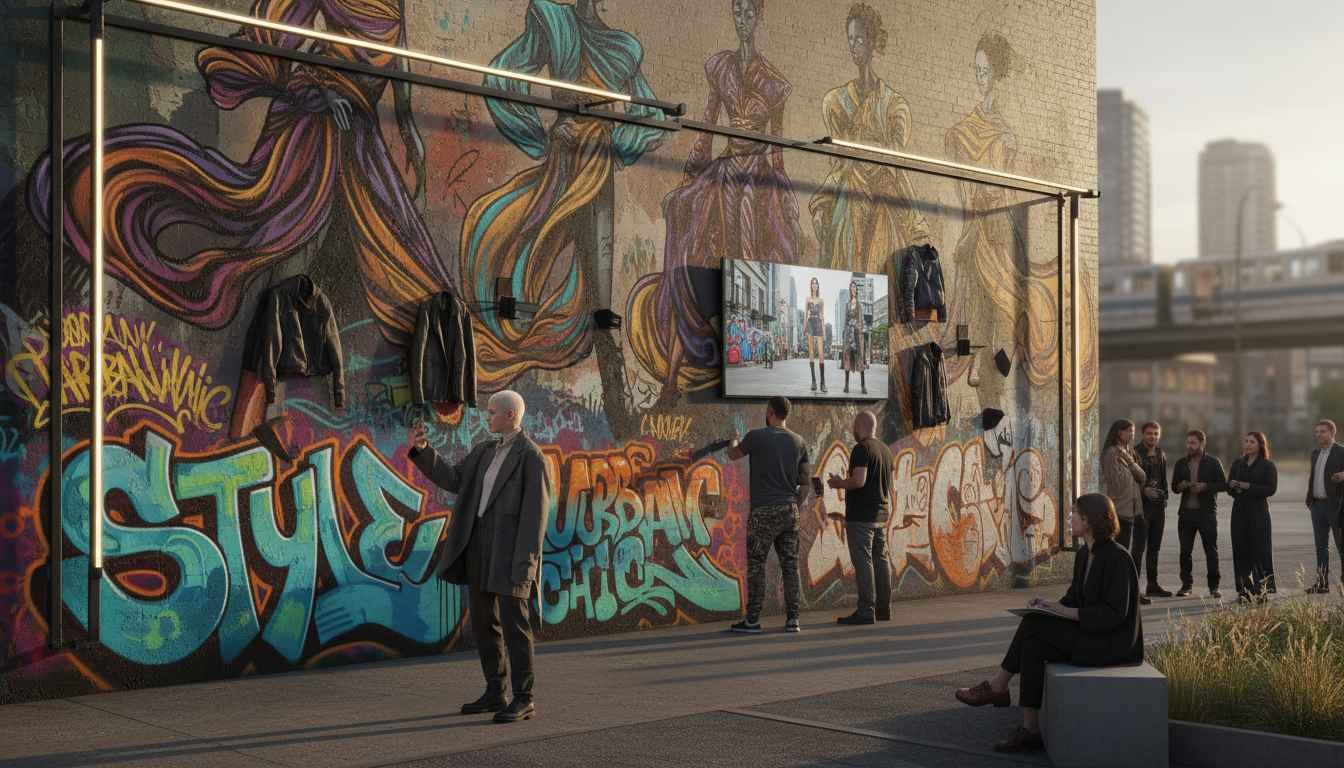
Have you ever walked past a blank wall and wondered why it wasn’t inspiring anyone? The pain of seeing empty urban spaces, devoid of cultural expression, has long plagued city planners, artists, and fashion enthusiasts alike. Enter the fashion art wall – a dynamic intersection of style, visual storytelling, and public engagement that transforms ordinary walls into living exhibits of cultural identity.
The concept of the fashion art wall traces its roots to the early 1980s, when streetwear culture began merging with graffiti and urban murals. Initially, these walls served as platforms for marginalized voices, with designers and street artists collaborating to broadcast bold social commentary. Over time, what began as a rebellious statement evolved into an accepted art form, bridging the gap between fashion houses and public spaces. Today, a fashion art wall can range from large-scale murals commissioned by luxury brands to interactive installations that invite community participation. For residents and visitors alike, these walls provide a tangible connection to local culture and emerging trends. Cities like New York, London, and Los Angeles have set the benchmark, yet smaller cities, including City of Twinsburg, Ohio, are embracing this movement, recognizing its potential to boost tourism and community engagement.
Historical Milestones in Fashion Art Walls
The late 20th century marked a turning point. In the 1990s, designers such as Jean-Paul Gaultier and Vivienne Westwood began collaborating with visual artists to showcase their collections on urban canvases, often blending fashion photography with painted motifs. These installations were not merely decorative; they communicated narratives about identity, rebellion, and societal norms. The rise of fashion magazines and social media further amplified the influence of fashion art walls, allowing them to reach audiences far beyond their immediate geographical locations.
One notable case study is the 2015 collaboration between street artist KAWS and the fashion label Dior. Their Paris installation transformed a series of urban facades into a vibrant commentary on consumer culture and street identity. The project highlighted how fashion art walls could merge high fashion with public accessibility, making avant-garde design part of everyday life.
Design Principles and Cultural Significance
Creating an effective fashion art wall requires careful attention to color theory, thematic consistency, and community context. Many contemporary walls incorporate 3D elements, lighting installations, or augmented reality features, enhancing the interactive experience. More than aesthetic appeal, these walls foster cultural dialogue, encourage civic pride, and can even serve as historical archives reflecting societal shifts in taste and expression.
Potential Drawbacks
Despite their appeal, fashion art walls are not without limitations. High costs, maintenance challenges, and the risk of vandalism can deter both municipal authorities and private sponsors. Additionally, communities with differing aesthetic values may resist installations perceived as intrusive or disconnected from local heritage. Finally, commercial collaborations must balance brand visibility with artistic integrity, lest the wall become a mere marketing billboard rather than a cultural asset.
Who Should Avoid This?
Urban planners or property owners wary of recurring maintenance costs, frequent foot traffic damage, or potential public backlash should consider alternative methods of promoting art and fashion. Similarly, artists seeking complete creative autonomy may find branded collaborations restrictive. Understanding these limitations is crucial before embarking on a project that integrates fashion and public art on such a visible scale.
The Modern Era: Interactive and Digital Walls
In the 2020s, the advent of digital technology has transformed fashion art walls into immersive experiences. Interactive projections, motion sensors, and virtual reality overlays allow viewers to engage directly with the artwork, offering personalized narratives and adaptive visuals. Cities worldwide now host annual events where these walls are temporarily installed, creating pop-up exhibitions that blend fashion, technology, and urban exploration. For Twinburg and similar communities, such innovations present opportunities to position themselves at the forefront of cultural engagement.
Conclusion
The fashion art wall is more than decoration – it is a living testament to the dialogue between fashion, society, and public space. By tracing its evolution from street rebellion to mainstream cultural landmark, we can appreciate how these walls influence identity, provoke conversation, and inspire communities. Whether approached as a marketing initiative, cultural project, or artistic experiment, fashion art walls continue to redefine the canvas of urban life.
Fashion art walls have evolved from street culture expressions to interactive urban canvases, blending high fashion with public art. They offer cultural engagement and identity expression but come with challenges like cost, maintenance, and community acceptance. Modern innovations, including digital and interactive features, are expanding their reach and impact, making them a vital component of contemporary urban art.