
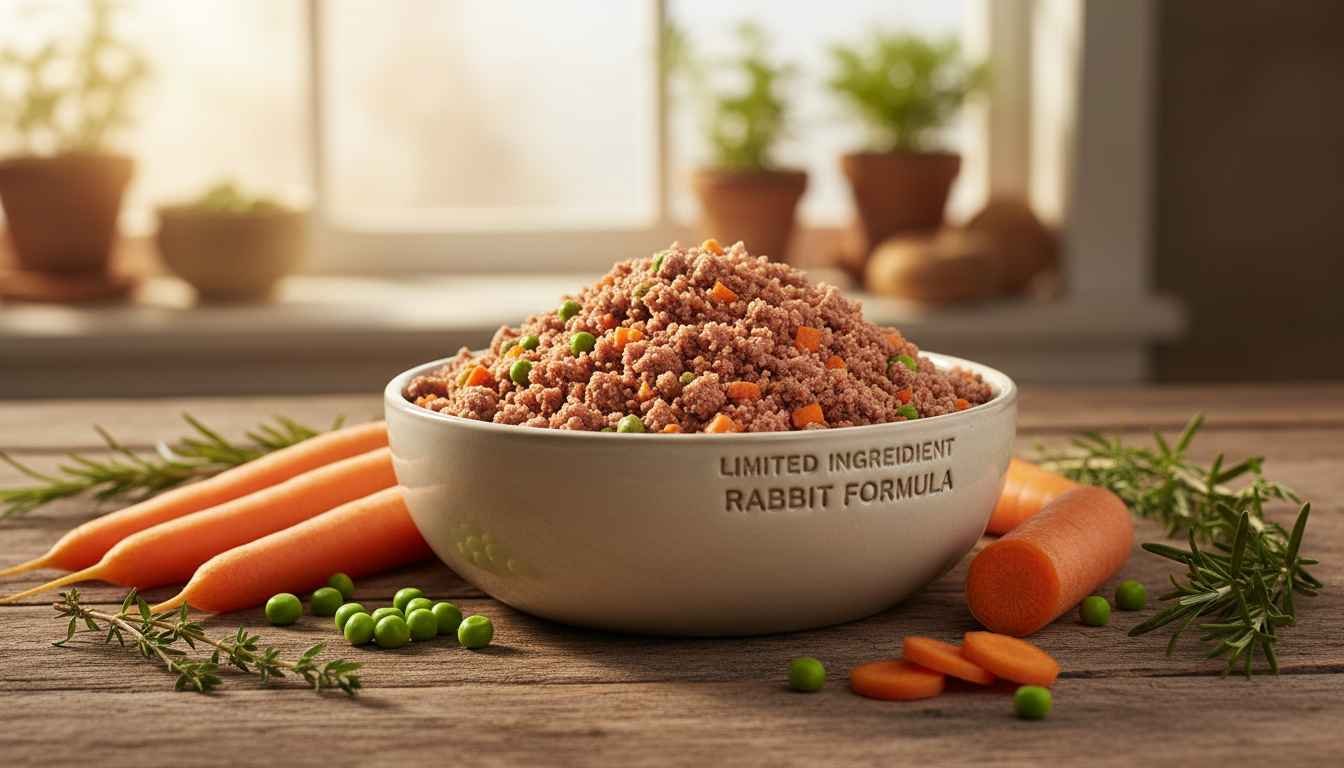
Let’s face it – your feline deserves more than mystery meats and endless grains masquerading as “nutrition.” Enter limited ingredient cat food rabbit: a bold, edgy solution designed for cats with sensitive tummies or selective taste buds. It’s not just another trend; it’s a statement. By stripping down the ingredients list to the essentials, you reduce the chance of allergies, digestive upsets, and picky eating meltdowns.
Rabbit as the primary protein? Unconventional, yes. But that’s what makes it brilliant. High in protein, low in fat, and rarely associated with common feline allergies, rabbit provides a lean, digestible option for cats who haven’t thrived on chicken or beef formulas. For those tired of watching their furry friends sniff and walk away from their bowl, rabbit-based limited ingredient diets are like catnip for taste buds.
By focusing on just a handful of high-quality components – typically rabbit, a single carbohydrate source like peas or potatoes, and a pinch of essential vitamins – you can finally simplify mealtime while keeping your cat’s health in check. And yes, if you’re cruising through Chicago and need a bite yourself while you’re figuring this out, swing by Little Goat for a hearty, flavorful break from the usual.
Potential Drawbacks
Nothing is perfect. Limited ingredient cat food rabbit can be pricier than standard blends, and not every cat will tolerate the switch immediately. Some may need gradual introduction to prevent digestive upset. Additionally, options on the market are still somewhat niche, which means availability might be limited depending on your area. Veterinary guidance is recommended when overhauling your cat’s diet – especially if your kitty has pre-existing conditions.
Troubleshooting
| Problem | Solution |
|---|---|
| Cat refuses to eat rabbit-based formula | Gradually mix with current food over 7–10 days, slowly increasing rabbit content |
| Digestive upset after switching | Introduce smaller portions at first; consider a probiotic supplement |
| Limited availability locally | Order online from trusted pet nutrition retailers or specialty stores |
Who Should Avoid This?
If your cat is underweight, prone to fat malabsorption, or has specific protein sensitivities, rabbit-based diets might not be ideal. Cats with kidney issues or certain chronic conditions should only switch under veterinary supervision. And let’s be honest – if your cat is a diehard beef enthusiast, rabbit might just meet with a hard “no” at mealtime.
At the end of the day, limited ingredient cat food rabbit isn’t just food – it’s a statement. Lean, clean, and intentionally simple, it’s designed for cats who deserve meals without compromise. Experiment smartly, introduce it thoughtfully, and your cat may finally start mealtime with actual excitement instead of the usual sighs.